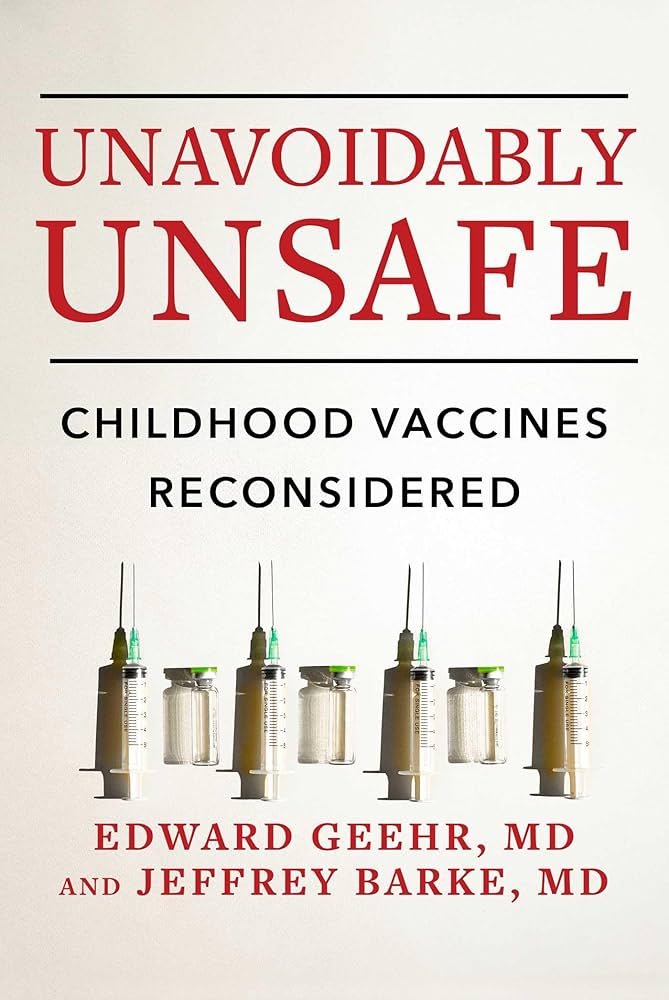
This review covers several chapters and again, is meant to be used as a basic reference guide. This should not necessarily be read from beginning to end in one sitting.
Chapter 11 – the Chickenpox vaccine
In this chapter they continue the same strategy of playing down the side effects of the disease and criticizing the vaccine in some way (yawn). First off – my own personal anecdote is that I remember my own chickenpox infection, and was quite miserable with fever, cough symptoms, and fatigue. I wouldn’t wish the disease on anyone. While serious disease is correctly assessed as rare, they don’t connect the dots when they note that adult delayed chickenpox infection can result in the painful condition known as shingles. Those who remain vaccinated and boosted, can significantly decrease their risk of shingles (Plotkin’s Vaccines). Although shingles isn’t an experience most adults can relate to – I recommend that the reader consult with an older adult friend who has had shingles to hear how severe the pain and skin irritation can be. This risk can be well mitigated with vaccination. While different public health agencies may sometimes not agree with the US CDC’s vaccine recommendations, the reason typically lies in different epidemiology and different priorities with limited resources, not just an automatic assumption of they’re right because they are different. What is the benefit to the average kid? First off, the book authors inappropriately de-emphasize the effect of varicella disease on the immunocompromised. These kids can develop severe disease, and fare best when the community they live in is highly vaccinated. For the average kid with few to no medical conditions, vaccination buys less severe disease, less impact on the family members (parents have to take off work), and less risk of hospitalization. None of these factors are thoughtfully considered in this book. The list of contraindications might be long but is typical for a live attenuated viral vaccine (meaning a weakened virus is not supposed to be given to those with immunocompromise). They complain about absolute versus relative risk reduction in this chapter again – I’ve gone through this in my previous blog post, and I repeat that the absolute risk reduction is always used to pretend that the efficacy is worse. The interested reader can calculate and compare numbers at any time. The varicella vaccine is clearly labeled to be not used in pregnancy, so the complaint that the varicella vaccine is not being tested in pregnancy is not valid (although the scattered case series where this accidentally occurred were benign). Despite this, the vaccine is again not be used in pregnancy to protect potential patients against the theoretical concern of varicella zoster being transmitted to the baby. Read that again – vaccine scientists asked a vaccine to not be used in pregnancy on the basis of a theoretical concern, just what antivaxxers wanted. While they make a correct assessment that cancer risk has not been directly assessed in a manner that minimizes confounders in an RCT or observational trial, they forget to mention that there is some scattered evidence for an association between varicella zoster disease (chickenpox reactivation) and a certain type of brain cancer, specifically finding in a limited cohort that the less immunity you had to chickenpox, the more likely you were to have a brain cancer. As an author who tries to uphold honest assessments of studies, I would not expect my readers to take this sole study as gospel, but to be on the lookout for similar studies if interested. They next try to complain that the United States is not more like Great Britain, in omitting the varicella vaccine, but forget to mention that the most recent development in the British vaccine schedule is to add this vaccine to the standardized schedule after doing an updated cost-benefit analysis and noticing decreased varicella cases after high population immunization. The book authors censored this fact despite it being available well before the time of publication of the book. Lastly, they describe immunity as only lasting for 10 years as if it is a wooden door that divides immunity and no immunity – the real answer is that most people get immunity for decades with a wide spread of the specific duration of protection for each individual person (citation Plotkin’s vaccines).
Chapter 12 Haemophilus influenzae (Hib)
One can give a little bit of acknowledgement to the authors of the book, for recognizing that children are indeed at risk of severe illness or death. The book chapter starts to make mistakes when they describe the level of transmissibility of Hib, which is actually on par with some waves of COVID. Hib is transmitted on respiratory droplets and respiratory secretions. A more accurate way to describe this would be to rank it compared to other vaccine preventable diseases. They complain that the Hib vaccines have not been subjected to clinical trial – again, I remind the reader that antivaxxers have requested their fans read the inserts. The inserts contain a wide assortment of trials relevant to HIB that would answer this demand. Get ready for a yawn on this next one – the authors claim there is no HIB vaccine comparison versus placebo with published ingredients, except a placebo was clearly described in this trial in the 1990s. Again, a failure of basic fact-finding. With the numerous clinical trials now available, the absolute risk and relative risk reduction can absolutely be calculated for the interested reader. They are probably indirectly complaining that the placebo wasn’t pure saline – and this is not a valid request because it is important to compare the placebo and the active vaccine on its active ingredient – the most useful comparison of side effects comes when the two comparator groups differ only by the active ingredient. Once a new HIB vaccine is created, it was logically compared with the old HIB vaccine because it is no longer ethical to use a placebo when two vaccines exist. Despite their wish that vaccines be associated with GBS, multiple large population studies find no link between GBS and the Hib or other pediatric vaccines (with the exception of influenza that has a tiny risk, outweighed by the risk of viral infection associated GBS).
Chapter 13 – Hepatitis A vaccine
In this chapter the book authors again wake up on the wrong side of the bed. They claim that the vast majority of people who contract hepatitis A experience mild illness, while forgetting that over a seven-year period, >60-80% of hepatitis A cases in the United States resulted in hospitalization. In another failure of basic fact finding, they forget that there are several clinical trials assessing the safety and efficacy of the hepatitis A vaccine. The errors in their assertions on aluminium are described here. Contrary to the assertions in the book, the shift in age group that primarily acquires hepatitis A does have some explanations, and none of them are impaired immunity to hepatitis A. They specifically go out of their way to criticize the VAQTA hepatitis A vaccine for not having a clinical trial, but several are documented by the FDA.
Chapter 14 – Inactivated Poliovirus Vaccine
I previously blogged about the IPV vaccine with some additional antivax talking points here.
Chapter 15 – Pneumococcal vaccine
Their opening argument complaining about certain pneumococcal vaccines not covering non-covered strains almost understands why it is wrong but doesn’t quite get there. The key to figuring this out is the names of the actual vaccines – PCV15, PCV20, and PPSV23. The numbers at the end indicate the number of subtypes of pneumococcus covered by the vaccine. Vaccine scientists were aware of the shortcomings of the old vaccines and therefore made versions covering more subtypes. Their tired complaint that none of the pneumococcal vaccines were compared with placebo is false for the same reasons I have discussed this before – the first vaccine is compared with a placebo, but the subsequent ones are compared with the old ones. Their argument that children are not at risk of severe illness or death is incomplete – the book authors fail to take in really simple epidemiology. I don’t mean the complex modeling that is sometimes the subject of robust debate, I mean the simple primary school ability to count. England and Wales alone, before the introduction of any PCV vaccine, had to deal with around 630 000 infections per year. Pneumococcal infections are more likely to get into the bloodstream and cause a serious infection, when the patient is a young child, even when that child is not traditionally defined as medically vulnerable. The nastiest side effect of this infection was brain infection, which led to kids dying, even when they were not medically vulnerable. While the book authors advocate for antibiotic treatment, they forget that there was considerable antibiotic resistance even back before vaccines were available, which is another reason to invent a vaccine. Their comments on prevention of asymptomatic colonization are oversimplified and in reality vary by vaccine subtype; for the full discussion and details on how each vaccine does in prevention of infection/ severe disease, see Plotkin’s vaccines (hint, they protect against severe disease quite well). They combine the side effects from 3 different pneumococcal vaccines to make them look more fearsome, but in actuality, the amount of side effects occurring is very small (reference the ACIP for detailed statistics on PCV side effects year to year). On the complaints about lack of testing for mutagenicity, carcinogenicity, and fertility – all vaccines are not initially tested for this before submission to the United States FDA. If this is a surprise to the book authors, they haven’t been paying attention. Many things in daily life have not been directly tested in randomized controlled trials for these issues – some of those include tennis rackets, perfumes, and baguettes. This is standardized language on all vaccines in essentially all public health agencies across the world. The reason it is there is because of prior testing on the components of the vaccines, which have not been shown to cause cancers, mutations, or problems with fertility. Vaccines however are still periodically batch tested to locate contamination. Lastly – in some locales the pneumococcal vaccine is actually recommended to protect pregnant mums from severe disease.
Chapter 16 – Rotavirus vaccine
Rotavirus is a primarily stomach and intestinal virus that most severely affects children who are very young, with vomiting and diarrhea. It is impressive for the book authors to grade this vaccine with a B, making this one of the highest grades they have shared. Their mistakes start to crawl in when they talk about absolute risk reduction. They show no awareness of meta-analyses that have repeatedly demonstrated decreased hospitalization when a community is highly vaccinated with the rotavirus vaccine. These authors however do correctly assess that there is a small risk of rotavirus vaccine shedding, which to the majority of adults, can be well mitigated with hand-washing. A quick glance at the most common rotavirus vaccine inserts will show the clinical trials supporting their use, contrary to the assertion of the book authors. Lastly, they complain that the rotavirus vaccines cause intussusception, while conveniently leaving out the fact that the old iteration of the rotavirus vaccine was withdrawn specifically for this reason, leaving us with a safer modern iteration of the rotavirus vaccine.
In conclusion – these chapters are a rehash of the previous six chapters with the same boring old arguments that a person with basic fact-finding skills can debunk.
 Frank Han's Cardiology Corner
Leave a comment