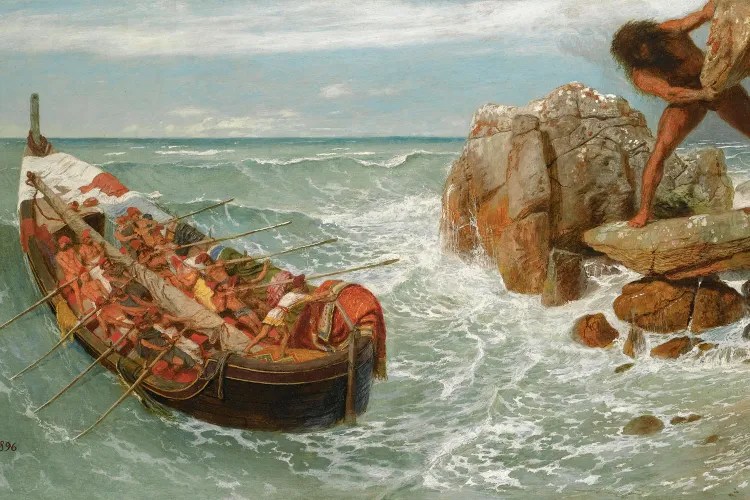
The book “Between a Shot and a Hard Place” is a book written by integrative pediatrician Joel Warsh that purports to be the definitive text that thoughtfully integrates the views of antivaccine activists, vaccine hesitant families, and staunchly pro-vaccine advocates. While it is commendable to take the stance that his clinic is open for whatever questions come up, the vast number of logical mistakes and outright factual errors in his book make his publication severely fall short in the eyes of a fellow pediatric subspecialist.
This blog post, as is true of the style of my previous posts (on substack or my separate online blog), is meant to be an encyclopedic discussion of all of his points throughout the book, and so the reader is invited to use the hyperlinks to select sections rather than read the whole thing.
One of the biggest problems in this book is the assertion that both sides of a scientific argument are equally valid. For example, the assertion that heart artery narrowings are the eventual cause of heart attacks, should never take the same level of credibility as someone who sincerely believes that cholesterol doesn’t matter. In other parts of the book, Joel implores people like myself to take the views of vaccine hesitant families and antivaccine families more seriously and to stop making fun of them. The issue is that scientific debates have an admissions price – it is required to agree on the same basic scientific premises before embarking on a debate (which Dr Warsh curiously also agrees with elsewhere). I will never, as a board-certified pediatrician, agree with the assertion that all vaccines are poison. Most antivaccine advocates are not here for a thoughtful discussion – they are here to cook up maximum fear of vaccines and sell their supplements as the solution. Occasionally, they engage in actual violence against provaccine activists. This is a dishonest fundamental premise, and I think no other profession would accept a debate with a hesitant listener who can’t even agree on the basic premises of the subject.
A small handful views in the book are objectively correct and credit is shared where credit is due.
Warsh frequently returns to the theme of censorship – he would do well to realize that antivaccine content on social media has vastly more reach and volume than conventional fact-based public health content on vaccines. Even attempts to censor antivaccine media are routinely squashed by multiple techniques (and in 2025, are squashed by the US Federal Government). Normal straightforward vaccine content is just there, while sensational antivaccine activists regularly go viral with millions of views that generate vaccine hesitancy because their content feeds the algorithm better. The number of verified antivaccine activists that truly endured follower count, legal or financial consequences serious enough to censor their work is miniscule. Some conventional public health professionals like Katelyn Jetelina, to my relief, have very large followings, but the number of us who have massive followings on social media is a tiny slice of the total number of health professionals.
Finally, Warsh indirectly shares with us that vaccine mandates “must be justified, rooted in solid science, and meet transparent and clearly delineated criteria to ensure they are reserved exclusively for extraordinary circumstances where public safety unequivocally outweighs personal autonomy.” His analysis of the available vaccine data shows that he simply does not believe existing vaccine data. He thinks it does not rise to his level of personal preference of what would be enough to enforce a mandate. The issue with refusing vaccines for your child comes with consequences for other families – while an individual person may not see the neighbor with immune compromise, enough measles outbreaks caused by enough families that decline measles vaccination will eventually hurt families with immunocompromise as a whole. With that we move forward into the chapters and dismantle each individual argument. Repetitive arguments are mostly illustrated only once.
Table of Contents:
Chapter 1 – Introduction
parents have endured too much vilification for questions about vaccines
Vaccine risk is not properly given its due
Why are parents chastized for asking questions
No science is actually settled
Being inspired by RFK Jr and Joe Rogan, and others
Observation of steadily increasing distrust
Where are the long-term studies on vaccines comparing vaccinated to unvaccinated children?
Sanitation versus vaccination in the decrease in mortality of vaccine preventable diseases
Studies using inert placebos as controls
Where are the studies showing multiple simultaneous vaccines and rising numbers of vaccines are safe
Chapter 2 – Vaccine evolution
Sanitation versus vaccination in the decrease of vaccine preventable disease morbidity and mortality
Harvard Pilgrim study of under-reporting vaccine side effects
Complaint about too many vaccines
Chapter 3 – The Influence Economy
Joe Rogan quote: I’m just scared that the tentacles of the pharmaceutical industry are so deeply entrenched in politics and in media that you can’t just shake them off.
Chemical laden foods
People should be skeptical of large pharma donations to both political parties
Advocating to trust moms
There is no incentive for parents to fabricate vaccine reactions
Physicians who raise concerns about vaccines had reasonable alternative hypotheses
Chapter 4 – Between Scylla and Charybdis
Post vaccine GBS explanation (after the influenza vaccine most commonly)
The tension between vaccine risks and benefits
The only true placebo is saline
Pharmaceutical companies are obligated to test their vaccines in a way that only produces positive results
The Samoa Vaccine incident
Chapter 7 – what is the Bottom turtle standing on (intermediate chapters omitted because they are mostly descriptive data about vaccines)
without an inert placebo you cannot sort out side effects
VSD is a self-reporting database
There is not enough long-term safety monitoring
We don’t know how effective the current MMR vaccines are because the older MMR vaccines did not use randomization
Why did a MMR vaccine modification occur after its license was granted
We don’t know the side effects of Priorix, because it was compared against the MMR vaccine
There should be longer vaccine studies on hepatitis B vaccine safety
Saul Krugman/ Joan Giles Hepatitis B vaccine study
Why was the first Prevnar compared against MCV
Rotarix, Rotateq, and the story of intussusception
Chapter 8 – Lets talk about Newborn vaccines
Parents have the right to voice concerns over the known and unknown risks of vaccines— because vaccines do come with risks, even when those risks may not be readily apparent.
Our focus should not be on suppressing conversation but on making vaccines safer and studying them more rigorously
Interviewing Dr Robert Redfield on the spot
Preservative free vitamin K
Tdap and Cocooning
Chapter 9 – tackling individual vaccine controversies
All the patients who caught whooping cough were vaccinated
We don’t know HPV vaccine prevents cancer because they only studied precancerous lesions
Candace Owens and her serious vaccine reaction
Risk of varicella vaccine doing shingles in an adult
Risk of the flu vaccine raising the risk of other unrelated infections
Chapter 10 – Heavy questions
There is too much mercury in our vaccines
Small amounts of thiomersal are safe, and removing them may risk worsening vaccine preventable diseases
Healthy kidneys efficiently eliminate aluminum, reducing the risk of accumulation. This may not be true for individuals with impaired kidney function
Some question the stated aluminium content in vaccines
11 – Misinformation, disinformation, and malinformation
The problem with suppressing questioning is it does not stop the desire to ask questions
12- The Double standard
Vaccines are immediately dismissed as a possible cause of side effects, but medications are easily flagged as a possible cause of side effects
Studies indicate that the risk of myocarditis, especially in younger males under thirty, may be around 1 in 5,000 to 1 in 10,000 doses, depending on age and dose schedule
Chapter 13: Exemptions
There is not enough respect for religious/ personal belief exemptions
Parents are justified in refusing vaccines for seizures/ side effects
to suggest that ubiquitous vaccination provides blanket protection to the immunocompromised is not entirely correct
The potential for known and unknown adverse short- and long-term side effects are real
What if your child is the 1 in 100,000 who gets encephalitis or seizures from a vaccine?
The testimony of Plotkin on experimentation on the mentally retarded in the 1960s and aborted fetal tissue
All vaccine hesitancy stems from misinformation
Chapter 14 – Vaccinated v unvaccinated trials
Another way to address these ethical concerns while also satisfying the demand for better evidence are observational studies that use existing datasets. These types of studies use preexisting data to examine the relationship between an exposure and an outcome.
Chapter 15 – The complex landscape of vaccine research and its long term complications
Carcinogenesis, mutagenesis, impairment of fertility has not been evaluated
NVIC requests for defining the various biological mechanisms involved in vaccine injury and death, genetic and other biological high-risk factors for suffering chronic brain and immune system dysfunction after vaccination, and evaluate short- and long-term health outcomes of individuals who use many vaccines and those who use fewer or no vaccines
COVID vaccines are not studied for their fertility or menstruation effects
Newborn rhesus macaque monkeys had worse neurological reflexes after the hepatitis B vaccine
Vaccines may cause inflammatory reactions that may lead to autoimmune diseases
Vaccines could cause an excessive Th2 response
Why long-term side effects cannot occur in vaccines in the same way they can occur in drugs
Vaccines may disrupt immune system maturation
1 in 300 people were injured from the DTP vaccine
Bandim Health project requires us to put the risks of vaccine into context with its benefits
Scientific community concurrently tells them that long-term side effects are not biologically plausible
Anyone who questions vaccine narratives is automatically deemed a congregant of the “Church of Kennedy.”
The practice of issuing a dishonest FOIA, by the Informed Consent Action Network
The solution is not to silence those who push for more rigorous safety testing; it is to provide better safety testing.
The current approach precipitates a deeper distrust of the medical community. Moreover, labeling individuals as anti-vax could cause them to seek validation in spaces that may lack scientific rigor, deepening polarization.
DTP vaccines create allergic diseases
Children with eczema had slightly more aluminum exposure than those with no exposure
Comparing the original vaccine schedule versus a slower vaccine schedule
We cannot assume the immune system can process an unlimited number of vaccines
Chapter 16 – Vaccines and autism
Future vaccines might cause autism
Vaccine/autism research only looks at MMR vaccines and thiomersal, but not the other vaccines
Greater hepatitis B vaccination rates create more autism
We are asked to silently accept the unfounded conclusion that vaccines don’t cause autism because they haven’t been proven to cause autism.
The Thompson/Destefano study on autism, specifically subgroup analysis on African American babies
Hviid’s studies were funded by the Danish Ministry of Health
Comparing vaccines to glyphosate and sugar
The next Aaron Siri deposition
Vaccines trigger inflammation in the brain that then causes autism
Story of triplets Claire and Richie getting PCV vaccine and being delayed
Chapter 17 – SIDS link with vaccines
Boatmon v HHS case determination of SIDS after a vaccine
18 – Bridging the Divide/ Conclusion
The 10 points that hope to bridge the gap
Introduction
- You can address vaccines by being science based but also respectful, not giving room to quack statements
Warsh spends some of the chapter arguing that parents have endured too much vilification for questions about vaccines. While I agree that parents should always feel free to discuss whatever they are interested in discussing in a vaccine visit, parents should also be prepared for a pediatrician to not give much room for anti-scientific statements. While most parents are thankfully not looking to be extreme antivaccine advocates, the world should realize that many slogans about vaccines out there that sound catchy like “when there is risk there must be choice” have much more data backing up vaccines, than data against vaccines. This naturally means that pediatricians have much more data backing up vaccines than data going against vaccines. Vaccines that don’t make safety standards have been shelved in the past. I don’t blame individual parents for being misled by antivaccine activists, but in scientific discussions between two scientists the price of admission is being well versed in the topic/ reading fundamentals. It is a pediatrician’s duty to lead a family towards the most accurate representation of the available data; it is not a conspiracy when a parental belief is corrected. - Vaccine risk is not properly given its due
As is true with most things in life, making any choice carries a risk, but doing nothing also carries a risk. Vaccine risk is presented in this chapter as being not properly given its airtime, however the author makes no effort to correctly place the risk in context with the benefits. This would be like me advocating against seatbelts because sometimes in car crashes, you can get an abrasion injury if the seatbelt correctly performs its function and holds you in the car. The life was saved at the price of the small abrasion; it would be illogical to say the seatbelt was harmful poison and should have been omitted. Walking on a bridge places inherent trust in the engineers and maintenance techs that put the bridge together – if they made a mistake, the bridge falls down. I have personally observed vaccine myocarditis in the hospital, much like Dr Warsh has probably observed vaccine side effects in the clinic – and I still know that vaccine benefits far outweigh the risks. It is fearmongering to only focus on the risks. - “For some reason, they are reassured there are “no risks.” If there are truly “no risks,” then why are parents chastised for asking questions?”
Parents should not be told that vaccines have zero risk – if they have heard these exact words, they are correct in saying the conversation should be refined. Vaccines do have very tiny risks, but if parents feel like they are being brushed off, they do indeed have the right to ask for a second opinion. The facts remain the same though – the benefits far outweigh the risks. It is even reasonable for parents to debate the original studies brought forth for FDA approval and their safety monitoring studies, however parents should realize that in the modern pediatric 10 minute clinic visit a pediatrician will simply not be able to have all their discussions in that one visit. Questions may have to be deferred to subsequent visits, where a specific risk can be compared to a specific benefit. Redirecting a misconception is again, not equal to chastising the parent. - No science is actually settled
This statement is used to pretend there is room to debate certain aspects of vaccine science when the actual question is already sorted out. Using analogies from other types of science, there are many areas of science that are completely settled. The existence of radioactivity and its toxicity to life are settled. The quantum mechanics powering the devices you use to read this blog are settled. The gravity that powers asteroids is completely settled. There is the ability of new science to gain a more comprehensive understanding of prior topics – but this is not the same as attempting to lend legitimacy to “vaccines actually cause autism”. One day, we may find all the thousands of genes responsible for causing autism and all the risk factors. Dr Warsh makes no effort to share that professional autism researchers have already found several big risk factors for children with autism, which include advanced paternal age/ maternal age. No serious autism researchers believe that vaccines cause autism in the face of multiple country wide studies finding no link. Continuing to deny this makes speakers such as Andrew Wakefield seem completely out of touch to the conventional medical crowd because our strongest available evidence has refuted him many times over. - “As I watched others like Robert F. Kennedy Jr., Elon Musk, Joe Rogan, Dr. Phil, Jordan Peterson, and Casey and Calley Means risk their livelihoods and reputations to crusade for health and freedom, I became inspired.”
While it is not a popular concept amongst our largest voices in social media, the public deserves the most accurate summaries of the state of vaccine science, not the views that are the most sensational or the most attention grabbing. The figures shown above have shared multiple verifiably incorrect views about vaccines.True heroes in vaccine science according to infectious disease physicians are people like Salk and Sabin, who are scientists that have given the world the very first polio vaccines. They are people like Peter Hotez, who give the world cheaper vaccines than what big pharma can manage. The characters cited by Warsh have a critical difference from professional vaccine scientists – there are no consequences for them saying things that are egregiously incorrect. They are not scientists employed in a laboratory, who may pay with their careers for engaging on scientific misconduct or blowing up the lab with an accident. The characters cited by Warsh feel accomplishment merely when they hear that more people are hesitant about vaccines. RFK Jr has been quoted on video as saying that the COVID vaccine was an “ethnically targeted vaccine“. He has also been on record as HHS chief undermining vaccines through his orders, but trying to placate senators during his confirmation. The very kindest words that are available for Warsh’s heroes are that they care mostly about their social media clout, and not about protection against vaccine preventable disease. None of Warsh’s heroes have advanced vaccine science in any way. They have explicitly railed against vaccines in many different ways purely because they care the most about health freedom without being held accountable to any consequences. Because they are beholden to the sunk cost fallacy, they can only rail harder against vaccines to keep their followers when it is the children who have to suffer the consequences of actual vaccine preventable diseases.Click here for more details about those incorrect views
## 1. Robert F. Kennedy Jr.
* **Claim: Vaccines cause autism.**
* **The Fact:** Hundreds of large-scale, peer-reviewed epidemiological studies involving millions of children worldwide have repeatedly evaluated this hypothesis and found **no causal link** between vaccines (including the MMR vaccine and thimerosal-containing vaccines) and autism.
* **Claim: Childhood vaccines are not safety-tested against placebo controls prior to approval.**
* **The Fact:** Childhood vaccines undergo multi-phase randomized controlled trials (RCTs) before FDA approval. When a safe, effective vaccine already exists for a disease (such as polio or measles), ethical guidelines prohibit giving a non-protective placebo to children, as it leaves them exposed to dangerous infections. Instead, new vaccines are tested against current standard-of-care formulations or active controls.
* **Claim: COVID-19 vaccines did not save lives and pose “profound risk” to children.**
* **The Fact:** Global mathematical modeling and real-world clinical data (such as a 2022 study published in *The Lancet*) estimate that COVID-19 vaccines saved over 14 million lives globally in their first year alone. While rare adverse events like myocarditis exist, the risk of heart inflammation, long COVID, and hospitalization is significantly higher from actual SARS-CoV-2 infection than from the vaccine. —
## 2. Elon Musk
* **Claim: COVID-19 vaccines killed tens of thousands of people in Germany.**
* **The Fact:** Musk amplified a post citing testimony that distorted passive vaccine safety monitoring data. Passive surveillance systems collect unverified reports of events that occur *after* vaccination, regardless of causality. Large epidemiological studies show no overall excess mortality among vaccinated individuals compared to unvaccinated populations.
* **Claim: mRNA boosters cause high rates of myocarditis and are “worse than the disease” for young men.**
* **The Fact:** Vaccine-associated myocarditis is a very rare side effect primarily affecting young males after the second dose, and the vast majority of cases are mild and resolve quickly. Studies consistently demonstrate that SARS-CoV-2 infection carries a far higher risk of severe myocarditis, cardiac arrhythmias, and mortality than vaccination. —
## 3. Joe Rogan
* **Claim: Young, healthy people (e.g., 21-year-olds) do not need to get vaccinated.**
* **The Fact:** While young adults are at lower risk of severe COVID-19 outcomes than older adults, they can still experience severe complications, long COVID, or multi-organ inflammatory syndromes. Furthermore, vaccination reduces transmission to more vulnerable family members and community members.
* **Claim: Unproven therapeutics (like Ivermectin) offer “near-perfect protection” and render vaccines unnecessary.**
* **The Fact:** Large-scale, double-blind randomized clinical trials (such as the TOGETHER and PRINCIPLE trials) showed that antiparasitic drugs like Ivermectin provide no clinical benefit in preventing or treating COVID-19.
* **Claim: Mass vaccination drives viral mutations and worsens outbreaks due to “immune escape.”**
* **The Fact:** Viral mutations occur primarily during active replication inside infected hosts. By lowering overall infection rates and viral load, mass vaccination reduces the opportunities for viruses to mutate, rather than driving the creation of dangerous variants. —
## 4. Dr. Phil (Phil McGraw)
* **Claim / Platforming: Allowing uncorrected claims on air that COVID-19 vaccines cause widespread strokes, severe heart damage, and zero benefit in children.**
* **The Fact:** On *Dr. Phil Primetime*, unverified statements claiming COVID-19 vaccines pose extreme risks (like strokes) to children were presented without clinical context. Surveillance data from the CDC and international health bodies confirm no increased risk of stroke from mRNA vaccines in children. —
## 5. Jordan Peterson
* **Claim: COVID-19 boosters are medically unnecessary and driven by political tyranny rather than public health science.**
* **The Fact:** Clinical trial data showed that vaccine-induced immunity wanes over time and offers reduced neutralizing capacity against emerging variants. Boosters restored high levels of protection against hospitalization and death, particularly for high-risk populations.
* **Claim: Prior infection (“natural immunity”) completely obviates the need for vaccination.**
* **The Fact:** Studies demonstrate that “hybrid immunity”—the combination of prior SARS-CoV-2 infection and vaccination—provides significantly broader, longer-lasting protection against reinfection and severe disease than prior infection alone. —
## 6. Casey Means and Calley Means
* **Claim: Universal Hepatitis B vaccination at birth is “absolute insanity” because the disease is “transmitted through needles and sex exclusively.”**
* **The Fact:** Hepatitis B is highly contagious and transmitted through minute exposures to infected blood or body fluids. Infants can contract Hepatitis B during birth from undiagnosed mothers or in early childhood through household contact with caregivers who may be unaware they carry the virus. Because infants who contract Hepatitis B have a 90% chance of developing chronic, life-threatening liver disease or liver cancer, the birth dose acts as a critical safety net.
* **Claim: Childhood vaccination schedules are unstudied, contain “too many shots,” and contribute to chronic disease epidemics.**
* **The Fact:** The CDC childhood immunization schedule is continuously monitored and evaluated for safety, efficacy, and timing. Developing immune systems routinely process thousands of antigens daily; the entire combined childhood vaccine schedule introduces only a tiny fraction of that immunological load. Controlled studies comparing children following the recommended schedule to those on delayed schedules show no difference in autoimmune or chronic condition outcomes. - Observation of steadily increasing distrust
Warsh squarely blames the conventional medical establishment for creating medical distrust. He has a huge hole in his argument – the ability of any external forces savvy in social media to rapidly spread a false message or misrepresentation around the world, before a physician can even get up in the morning and get ready for work. Because social media basically has zero accountability for saying things wrong and infinite ways to boost messages provided you have enough money, people on Warsh’s side of the debate can monetize social media posts to the max, while conventional physicians have to stick to the rules and methods of science. If this is not a believable statistic, the reader of this blog can compare my Twitter number of followers with the number of Twitter followers of Laura Loomer or Joe Rogan. Physicians wanting to put out messages through official channels of their universities often need to await legal vetting before approval, while any social media influencer disgruntled with a physician can put together a catchy video titled “here’s what your physician lied to you about”. Psychologically, it has always been easier to scare people than present a calmly discussed, scientifically accurate point in a way that is interesting and engaging. When a false message, especially one subtly false enough to sound plausible to a reader without a science background, goes viral, conventional physicians need to always be on the defensive debunking the message. We are trying to fight back with our individual social media accounts, but the antivaccine ecosystem in many ways still has the upper hand and loves to stoke even more distrust. It’s not the conventional physicians going viral on social media with measured, calm discussions on vaccines. While there are physicians with bad bedside manner discussing vaccines, this is vastly overshadowed by social media influencers with something to gain in spreading vaccine distrust. - Where are the long-term studies on vaccines comparing vaccinated to unvaccinated children?
The author of the book claims to want a volunteer based study to assess the overall health of vaccinated versus unvaccinated children. The reason this study would be significantly flawed is healthcare utilization bias – people who don’t want vaccines generally trend towards not wanting a whole slew of other general medical interventions, including telling physicians that they won’t be following up on generally recommended medical care. This factor alone will make unvaccinated families appear “healthier”. The most direct way to answer this question head on is to assess what happens to patients unvaccinated for each of the vaccine preventable diseases. While it is true in general that children don’t always get sick enough to need a hospital after actually contracting a vaccine preventable disease, the frequency of being sick enough to need a hospital for those unvaccinated, exceeds the vaccinated every single time for each of our major vaccine preventable diseases. We can answer the question in other ways – a more than 1 million patient study in Denmark looked at whether vaccinated kids got an increased risk for chronic autoimmunity, atopy or allergy, and neurodevelopmental disorders. That study said the answer is a clear no, the risk for 50 different childhood diseases they assessed is not increased when they were vaccinated. This study was extra long term, from 1997-2020. Warsh makes no effort to acknowledge this evidence, which is one of the very lowest levels of work expected at a pediatric conference when engaging in debate. - Where are the studies using inert placebos as controls?
This one may be counterintuitive – using placebos as comparator when there is a vaccine available, is unethical. This is because the investigator would be intentionally exposing a patient to a disease (with the placebo that is not supposed to do anything). A placebo is however permitted by research guidelines, when it is the very first generation of vaccine being tested such as the mRNA COVID vaccines, which were compared to placebo. Inert placebo is also a phrase that has a hidden meaning. Generally when antivaccine activists insist on an inert placebo, they are indirectly saying that only water is a valid placebo. This has many problems. First, if you give one group of people saline (water), and another group of people a vaccine, the group getting saline may have a significantly lower amount of reported side effects which would affect the investigator’s ability to truly compare the severity of side effects. Secondarily, using a vaccine placebo as all the ingredients except for the active ingredient, helps the investigator quantify the side effects of ONLY the active ingredient. Finally, just the expectation of pain after injection will cause pain after injection, even if that injection was an inert placebo. For all these reasons, modern iterations of vaccines are compared to their older counterpart and the first generation of a vaccine gets to be compared to placebo. - Where are the studies that show giving multiple and a rising number of vaccines simultaneously is safe?
The reason for increased vaccines is successful vaccine projects creating vaccines for more vaccine preventable diseases. This statement is typically used to indirectly imply that vaccines cause chronic diseases, which ignores the evidence posted in section 7 above, as well as evidence by subspecialists looking into the actually established causes of chronic diseases (such as how sufficiently polluted cities will cause asthma). Certain articles have also addressed select health outcomes assessed after expanding the vaccine schedule and found no issues. Lastly, Warsh ignores the evidence that modern vaccines actually carry less antigens than some of their older predecessors, which indicates that vaccine makers actually care about reducing side effects.
Chapter 2 Vaccine evolution
- Sanitation v vaccination
I am glad that Warsh lays out the argument in detail; most books that are not supportive of vaccines usually take the opportunity to say that sanitation is mainly responsible for the reduction in vaccine preventable disease cases and deaths. The easiest analogy here is measles; measles is most definitively transmitted through the air. It is impossible to wash your hands well enough to protect yourself from a virus that is transmitted through the air. Sanitation was an integral part of our 21st century way of life, but vaccines were also critically important. - Harvard pilgrim under reporting of vaccine side effects
In situations such as these I always advocate for going back to the original source and reading it. The study in question is a 2010 report titled “Electronic Support for Public Health–Vaccine Adverse Event Reporting System (ESP:VAERS)”. The moniker Harvard-Pilgrim is a reference to the regional health insurance company that played a large part in organizing the study, which is not directly related to the Harvard the hospital or medical school. The researchers wanted to see if they could build an automated IT system that would scan electronic medical records (EMRs) for any new symptoms, diagnoses, or prescriptions in the 30 days following a patient’s vaccination. If the system detected a potential event, it would automatically flag it and prompt the doctor to submit a report to VAERS (the Vaccine Adverse Event Reporting System). The automated system scanned the records of patients who received a combined 1.4 million vaccine doses and flagged 35,570 potential “adverse events” (about 2.6% of vaccinations). Since VAERS generally does not report mild rashes or headaches, one of the statements in the conclusion of the study was that “Adverse events from drugs and vaccines are common but underreported, with fewer than 1% of reported adverse events [to VAERS]…”. The logical mistake is to conflate any possible reaction (from the 35570) as a serious vaccine side effect. Most physicians and patients would feel justified in writing off a mild headache after a vaccination that permanently goes away. It is dishonest to imply that this 1% statistic applies equally to mild side effects and serious adverse events equally. - Complaint about too many vaccines
The complaint discussed in this chapter is that we do not know the potential cumulative problems of there being more and more vaccines added to the vaccine schedule. The biggest reason there are more vaccines added through the decades is that science projects to propose vaccines sometimes are successful enough to enter the market and be approved by a national drug or vaccine regulatory authority. Conventional physicians tend to share one of the views of Dr Warsh – that when there is an opportunity to reduce suffering from an infectious disease with a preventative vaccine, that opportunity should be taken.
I will address the converse first, which is to illustrate how infectious disease physicians identified legitimate vaccine reactions caused by interactions with prior vaccines. In 1963, two measles vaccines were available (inactivated as well as live). The people who received the inactivated followed by the live vaccine contracted an odd syndrome called the Atypical Measles Syndrome, which resulted in removal of the inactivated vaccine. Warsh mentions another vaccine briefly but does not dive into the detail: The Urabe strain MMR vaccine was found to cause brain membrane inflammation; the specific subtype of measles vaccine thought to be responsible was modified to use a version of measles that does not have this problem. The modern measles vaccine label is extensively taught to be only given to people with normal immune systems, and the type of measles virus used in the vaccine has been updated. Vaccine scientists are paying attention to side effects and changing stuff around when significant verified side effects happen.
In a more modern example, the Astra Zeneca COVID vaccine was withdrawn due to blood clots. Arguing from the perspective of biology, Offit’s estimation that the immune system can take care of multiple antigens at the same time is not just a whimsical statement – it is borne out by mapping out what the immune system is doing every day (see Janeways Immunology). There is also a very helpful study from 2018, not described anywhere in the book, by Glanz and others, that seeks to sort out whether or not cumulative vaccines from 24-27 months of age result in more infections not targeted by vaccines. In other words, this study seeks to sort out if cumulative vaccines weaken the immune system. The answer was a clear no weakening of the immune system.
Chapter 3 – The Influence Economy
- Joe Rogan quote: I’m just scared that the tentacles of the pharmaceutical industry are so deeply entrenched in politics and in media that you can’t just shake them off. You can’t just say, “Hey, you can’t advertise on TV anymore,” or “Hey, you no longer have exemption from responsibility from the side effects of certain drugs.”
I would be more inclined to trust Joe Rogans assessment of the situation if he applied the same skepticism to the medicines that he praises. Joe Rogan has advocated for the psychedelic ibogaine without thoughtfully addressing the limited studies available to assess its benefits and side effects. Rogan has advocated for ivermectin and hydroxychloroquine for COVID, despite every infectious disease society being unanimous, that these medicines don’t work for COVID. Lastly, he has advocated for injectable peptides despite the lack of clinical trial evidence for them. Individual people have the right to choose to be experimental subjects for new medicines, but Joe doesn’t have to carry any consequences for misleading his massive audience. The cumulative wellness industry advocates for medicines that don’t have the same level of clinical trial rigor demanded of conventional Western medicines – and earns close to 742 billion US dollars on those supplements/ medicines. Practically speaking, skepticism is always aimed against big pharma but hardly ever against Big Wellness. - “Chemical laden foods”
A holistically minded physician always has to take a moment to complain about chemical laden foods. While all parties to the argument can agree that the unfettered usage of unregulated pesticides is a net harm, this specific wording is usually used to generate fear of all conventional food items in the store. This is inappropriate fear mongering; by the standards of chemistry every food on the planet is “chemical laden”. The best approach is to get an introductory understanding of the ingredients in many of our foods from places like the FDA. Secondarily this phrase is usually used to get people to fear “processed foods”; some processed foods are made to have added vitamins that are especially helpful for those people who are genuinely low in certain vitamins. However, other processed foods are sincerely bad for our waistlines like sweet bakery products and full sugar sodas. Bottom line: definitely go easy on treat foods like cake and pie. Choose multigrain bread rather than white bread. Choose multigrain pasta rather than white pasta. Vary your fruits, vegetables, and meats. Full sugar anything drinks should be used in moderation. Don’t make a regular habit of any fatty food (such as a fatty meat or fried food). Sleep regularly and exercise regularly. None of these interventions require an inordinate amount of money. - People should be skeptical of large pharma donations to both political parties
I agree with the sentiment that the general public has a right to be skeptical of all big pharma political donations. It is easy to find both pharma projects that have been successful and those that have created significant harms. Physicians even don’t have the time or knowledge base to analyze in detail, the underpinnings of every pharma project. However, one way to sort out if a particular medicine is truly helpful is to find out if other referees such as universities not involved in a drug study, have assessed that medicine and find it to be helpful to solve a particular problem. While this is not a foolproof approach, it goes a long way to explaining what outside observers who know enough to assess vaccines, actually think about a particular new vaccine or drug. Whether it is a Pharma donation to a Republican or Democrat, people have the right to be skeptical of donations in both directions. - Advocating to trust moms
The vast majority of parents are correctly assessed as just trying to do what is correct for their child (and convey observations from home to the clinic). However, an observation made by Warsh later in the book is more practically appropriate. Physicians can sometimes be humbled by their patients in seeing a particular medical problem not turn out the way they expected. The conversation should also be a two-way street – parents need to be open to being redirected by their physicians from time to time. It is inappropriate to assume that just because the physician presented the current state of the evidence, that it automatically means the physician is trying to shut down the discussion. The conversation can potentially be continued/ expanded by asking the physician questions like “how was the standard of care actually determined” or “how do we know this result is correct”. The family can also say, I don’t feel my concerns are being heard because of “xyz”, and continue the discussion. While most physicians rely on parents as observers of their children, it is also a physician obligation to trust and verify. - There is no incentive for parents to fabricate vaccine reactions
There are two levels to this discussion. In general, absolutely parents do not have any reason to invent vaccine reactions. Sometimes, physicians need to inform patients that a particular reaction after a vaccine is normal and to be expected, and not serious and life threatening. The other aspect to this discussion is more grim – families willing to fabricate vaccine reactions do indeed come much, much more frequently from the antivaccine camp rather than the pro-vaccine camp. Catie Clobes is an example – after her child died, she took it upon herself to create an extensive social media campaign to blame vaccines. The actual autopsy/ medical examiner determined cause of death was suffocation by co-sleeping. Pediatricians are obligated to assess vaccine reactions as dispassionately as possible and not just take a family’s word. - Physicians who raise concerns about vaccines had reasonable hypotheses
Physicians who propose alternative vaccine schedules or those who are altogether anti-vaccine are normally supposed to be held to a much higher standard of scientific understanding than people who are not medically trained. Pediatricians and primary care physicians and infectious disease physicians are the people who are supposed to carry the highest level of vaccine expertise, other physicians are welcome to ask anytime if they have questions. Physicians outside primary care specialties learn about vaccines just like primary care physicians however they are more fluent in the knowledge relevant to their specialty. The following illustrates some physicians that fall far short of the level of professionalism (on vaccines) expected of a doctor. Bob Sears, a pediatrician under medical board sanction in California, admitted on the video record that his favorite delayed vaccine schedule had no evidence. British oncologist Angus Dalgleish has seen higher rates of reported cancer recurrence in his personal clinic, but failed to thoughtfully address the public in discussing why measurements over entire populations show no spike in cancer recurrence. Cardiologist Aseem Malhotra is on the record trying to speak against one of the medicines that protect against heart attacks, the statin. Paul Thomas, a pediatrician who has now lost his medical license permanently, actually advocated for children to not get vaccinated and berated a family for trying to get vaccinated. Peter Mccullough believes that football player Damar Hamlin died from vaccine myocarditis despite the man being alive and well, and personally saying on the record that he experienced commotio cordis. None of these things are anywhere close to the actions of a “reasonable” physician.
Chapter 4 – Between Scylla and Charybdis
This chapter tries to highlight the strong emotional conundrum facing parents trying to weigh the side effects of vaccines versus their benefits. While this is always an appropriate discussion to have, the discussion in this chapter falls apart when we realize it is the role of the pediatrician to help guide the family through to an emotional resolution, not just dwell on the emotional anxieties as Warsh has done.
1. Post vaccine GBS explainer
This chapter illustrates an example of a very serious vaccine associated adverse event – Guillain Barre syndrome. As a physician who has myself both witnessed and researched vaccine myocarditis, I think I can also speak for my colleagues in saying that physicians are unanimous in their sympathy for patients who have experienced verified serious vaccine related adverse events. It helps to see how GBS happens – a mistaken immune system attack on normal nerves of the body. Several mechanisms have been proposed, but due to the extreme rarity of this reaction, studying it properly is hard. A study could be potentially proposed on patients who have experienced this reaction to gain more clarity. I think all conventional medical doctors can agree on studying vaccine associated GBS to figure out who is at risk for it. However, this discussion is only complete when it reveals that viral illnesses cause GBS far more often than vaccines.
2. The tension between vaccine risks and benefits
The description given in this chapter if taken at face value, makes it look like the vaccine companies don’t really make the difference between the amount of side effects vs the benefits clear. If we just calculate the number of cases of disease covered by the Pentacel vaccine and use the vaccine effectiveness, we can arrive at the conclusion that multiple thousands of lives have been saved by the Pentacel vaccine components. The reported side effects are things like febrile seizures – which are reported at about 5.5/ 100 000 on day1-2 of vaccination. This comparison is basically nowhere close. Vaccines that create worse risks across a population are shelved in favor of better vaccines. The number of lives saved by Pentacel vastly overshadows the number of serious side effects. There is only tension if one focuses on the emotional calculation.
3. The only true placebo is saline
Throughout this book, Warsh exhorts the reader to think of the only true placebo as saline. He also goes into a fair amount of detail about the ethical problems associated with comparing a new vaccine with nothing which is commendable. He does at one point advocate for a three-arm trial, which compares a new vaccine to its adjuvant and to placebo. The biggest error in handing the greatest credibility to a “true placebo” is that even saline injections are documented as having a real negative effect; some people get prolonged arm pain, shoulder injuries, and any of a variety of allergic reactions even though the item injected was just salt water or plain water. The mere expectation of badness primed the person to feel side effects. In addition, the inactive ingredients in vaccines have all previously been tested in various forms as to what their side effects are; for example, we know exactly what injectable sucrose and sodium phosphate do: they are normal parts of the human diet in other forms. One of the arguments about the true placebo is that we don’t know how ingredients in vaccines interact with each other when mixed in various permutations. First off, it is not necessary to individually test every possible permutation because all the ingredients in vaccines have known lengths of time in which they normally degrade in the body. It is not necessary to figure out if the ingredients in the 2-month-old Pentacel vaccine interact with the 2-year-old measles vaccine because the 2-month-old vaccine will have disappeared loooooong before then. Next up, Warsh is apparently not aware that pharma is already required to prove that vaccine inactive ingredients work normally with each other in preclinical studies. We can’t have a situation where the inactive ingredients in a vaccine mess around with the active ingredients. We already know which vaccines can/cannot be given with other vaccines because this was tested. Lastly, a small handful of vaccines can do specific types of interference and this has already been well documented and accounted for.
4. Priorix/ vaccine companies are obliged to test their vaccines in a positive way
Based upon the observation that pharma companies always present positive studies about their vaccines, Warsh asserts that vaccine companies are always obligated to say positive information about their vaccines. I think most people can agree that CEOs will always want to take the action that makes their company the most money; this has been true since the invention of the very first business (potentially this ancient Sumerian instance of a barley sale). The modern iteration of this is CEOs wanting to take the action that makes their shareholders a profit. This neglects to consider that the list of failed vaccines is long and extensive, reaching from the Australian COVID vaccine that was shut down due to false positive HIV tests, and the shuttering of the Astra Zeneca COVID vaccine due to blood clots. The good thing about vaccine studies is that the public has no need to pay lots of attention to the first clinical trial that describes a new vaccine. The good thing is that there are multiple third-party observers like universities, that can act as a referee to see if a vaccine is truly as good as it sounds. A way to have this conversation with your doctor is to ask them about the comparison between the initial clinical trial relied upon for licensure and the real-world studies. There are essentially always third-party studies a curious family can refer to. While vaccine companies cannot just enroll millions of patients on every single new vaccine trial (that’s too expensive even for big pharma and unethical to withhold an effective vaccine just because you want to find the 1 serious side effect), vaccine companies cannot hide a potentially problematic vaccine forever. The list of vaccine companies making negative announcements about vaccine candidates that did not meet expectations is long and extensive, making Warsh’s observation wrong again.
5: Samoa vaccine incident
At the end of this chapter Warsh expresses support for his role model RFK Jr, and his role in the Samoa vaccine incident. The incident began with some vaccines being prepared incorrectly and some children accurately being described as dying due to a vaccine. This then resulted in a measles outbreak as there was a significant rise in vaccine hesitancy. Medical professionals are unanimous in their criticism of incorrectly preparing a vaccine, however the reader of this blog is encouraged to then sort out what RFK Jr actually did and said when he engaged with the incident. I don’t need to paraphrase his words – I will directly quote him. During his congressional confirmation hearings, RFK Jr. testified under oath that his June 2019 trip to Samoa had “nothing to do with vaccines”. He claimed he went to the island solely to “introduce a medical informatics system that would digitalize records… and make health delivery much more efficient.” RFK Jr. has repeatedly claimed, “I never gave any public statement about vaccines. You cannot find a single Samoan who will say, ‘I didn’t get a vaccine because of Bobby Kennedy.’” Seizing on the opportunity, his former organization, Childrens Health Defense, paid for targeted ads pushed to Samoan families directly intended to worsen hesitancy. In addition, during his Senate hearings, RFK Jr. made a highly controversial claim: “When the tissue samples were sent to New Zealand, most of those people did not have measles. We don’t know what was killing them [ my response: in this case the vaccines were incorrectly diluted with a muscle relaxant that killed the children in question].” He also sent letters to the Samoan Prime Minister suggesting the deaths might have been caused by the measles vaccine itself. Samoan health officials and international medical workers who treated the children reacted with outrage to his testimony, calling it a “total fabrication” and a “complete lie.” He literally spent his trip meeting with anti-vaccine activists. A now health minister should not need to lie this much about vaccines. RFK Jr always says one thing and does something different to put it kindly, as long as it serves antivaccine interests. There has never been a vaccine that RFK Jr has unconditionally accepted as safe and effective. This kind of behavior would never be tolerated from a pediatrician.
Chapter 7 – What is the bottom turtle standing on
The chapters in between are omitted because they are generally descriptive information about vaccines.
1. without an inert placebo you cannot sort out side effects
Throughout this book, Warsh exhorts the reader to think of the only true placebo as saline. He also goes into a fair amount of detail about the ethical problems associated with comparing a new vaccine with nothing which is commendable. He does at one point advocate for a three-arm trial, which compares a new vaccine to its adjuvant and to placebo. The biggest error in handing the greatest credibility to a “true placebo” is that even saline injections are documented as having an effect; some people get prolonged arm pain, shoulder injuries, and any of a variety of allergic reactions even though the item injected was just salt water or plain water. In addition, the inactive ingredients in vaccines have all previously been tested in various forms as to what their side effects are; for example, we know exactly what injectable sucrose and sodium phosphate do: they are normal parts of the human diet in other forms. One of the arguments about the true placebo is that we don’t know how ingredients in vaccines interact with each other when mixed in various permutations. First off, it is not necessary to individually test every possible permutation because all the ingredients in vaccines have known lengths of time in which they normally degrade in the body. It is not necessary to figure out if the ingredients in the 2-month-old Pentacel vaccine interact with the 2-year-old measles vaccine because the 2-month-old vaccine will have disappeared loooooong before then. Next up, Warsh is apparently not aware that pharma is already required to prove that vaccine inactive ingredients work normally with each other in preclinical studies. We can’t have a situation where the inactive ingredients in a vaccine mess around with the active ingredients. We already know which vaccines can/cannot be given with other vaccines because this was tested. Lastly, a small handful of vaccines can do specific types of interference and this has already been well documented and accounted for.
2. VSD is a self-reporting database
This is a really simple misreading of what the United States Vaccine Safety Datalink does. The website itself says that the VSD is meant to have active safety monitoring of patients receiving vaccines, it does not rely on the self-reporting of parents (unlike what VAERS does).
3. There is not enough long-term safety monitoring
The assertion in this part of the chapter is that vaccine companies do not carry long enough safety monitoring (later in this chapter Warsh asserts that babies receiving the hepatitis B vaccine were only monitored for 4 days after administration). It is exceedingly dishonest for a public health trained pediatrician to claim this because the 4 day period was specifically designed to check for immediate allergic reactions, which is an entirely appropriate time period for allergic reactions. The MMR vaccine through its multiple iterations has around 50 years of monitoring. The polio vaccines have around 70 years of monitoring. The hepatitis B vaccine has around 40 years. It would be unethical to withhold a vaccine for decades from a patient population that needs it just because you wanted 7 decades of safety monitoring first (no company would ever agree to that either). I also encourage the reader to be wary of any online social media influencers who always find a way to want more safety monitoring after each round of safety monitoring was introduced – that usually implies that the social media influencers was never planning on accepting the safety/ efficacy of the vaccine as a matter of dogma. This is the moving the goalposts logical fallacy, which means whenever your soccer ball almost gets in the net, there is someone ready to move the goalposts, to ensure you appear to never prove a point.
4. Comparing a vaccine against an older vaccine is fraudulent
The complaint here is that we don’t know the true rate of vaccine side effects if we always compare a new vaccine to another vaccine in a different class (in the situation of trying to license newer iterations of an old vaccine). First off, vaccine study designers already know about this limitation and explicitly acknowledge it in the training of anyone wanting to design a vaccine. One defense we have against this problem is to require that such trials spend a longer time monitoring for reactions compared to other study designs. Another defense we can use is to compare the rate of the reported side effect against the randomly occurring rate of these symptoms that occur in the general population. A study designer can also register the Self-Controlled Case Series design, which essentially compares the rate of side effects in every single person before the vaccine compared to a defined risk window established after the vaccine, which is a handy technique to detect genuine vaccine side effects that are small in frequency. Using all of these techniques added together, modern vaccine scientists have a very good handle on which side effects are likely true side effects and which are likely something else. Warsh made very little effort to thoughtfully discuss these.
5. We don’t know how safe the MMR vaccines were, because there was no randomization in the old MMR trials
One part of this statement is correct – in the 1950s/1960s the standards for randomization were not as robust as they are now. The issue is assuming RCTs are the “cure all” for detecting side effects: even a large, randomized trial of a few thousand participants cannot detect a side effect that only occurs once in a million people. Post-vaccine studies over many years or decades are meant to detect that. Warsh frequently cites the Institute of Medicine, who is actually able to share that the MMR vaccine has a very tiny incidence of anaphylaxis, febrile seizures, thrombocytopenic purpura, transient joint pain, and measles inclusion body encephalitis in immunodeficient persons. On the last point, we always remind immunodeficient people that they are generally not eligible to take this vaccine unless their immunologist determines they can. The 2021 Cochrane review of MMR/MMRV vaccines included 138 studies encompassing over 23 million participants and found no evidence of association between MMR and encephalitis/encephalopathy (rate ratio 0.90, 95% CI 0.50–1.61), autism spectrum disorders (rate ratio 0.93, 95% CI 0.85–1.01), cognitive delay, type 1 diabetes, asthma, leukemia, or multiple sclerosis. It confirmed the known associations with febrile seizures (~1 per 1,150–1,700 doses) and ITP (~1 per 40,000 doses), both of which are far less common than complications from natural infection. With all this information, we have way more information on vaccine safety than any single randomized controlled trial is able to provide (even with the lack of 1960s randomization done up to 2026 standards).
6. Why would a vaccine modification occur postlicense (in reference to MMR dose 2)
Warsh complains that the change in the MMR dosage frequency was changed after the MMR vaccine received one of its first official licenses. When the first measles vaccine was done in the 1960s, it achieved immunity in around 95-96% of patients at the age of 12 months, which was considered an excellent response rate. In short term followup at the time, immunity appeared to be relatively long lasting, and in addition, people were likely getting indirectly boosted because the rate of circulating measles in the 1960s was far higher than in the 2000s. It is actually efforts to improve vaccine science that led to the decision for the 2nd vaccine dose, which was the 1980s measles outbreak. This revealed that people who correctly received the 1 vaccine (which was the recommendation at the time), still sometimes got full measles disease. This means that the 4-5% vaccine failure rate was enough to sustain a measles outbreak. This is what drove the decision to create the 2nd vaccine dose, driving immunity up to 97%. Warsh makes minimal effort to recognize when vaccine scientists recognize their shortcomings and correct or revise their work.
7. We don’t actually know the Priorix side effect profile because it was compared against the original MMR dose, and the side effects were deemed statistically similar
See point five above – while we did compare the side effects of the new Priorix measles vaccine to the old MMR vaccine, multiple sources with different study types reveal to us the most common serious and non-serious side effects associated with the new Priorix vaccine (studies on FDA label contain the known side effects). If we truly did not know the side effects, the vaccine label could not describe them. Yes, this is a new MMR versus old MMR comparison, but the comparison didn’t stop at just the clinical trials used for licensure. On a purely surface level analysis, the reader can expect to experience the same side effects on average with the new MMR vaccine as the old MMR vaccine, which is actually a good thing (Warsh tries to paint this as not trying hard enough to tease out side effects). Think about the end of the sentence above and do a double take: When a vaccine scientist says side effects are statistically similar, it does not mean the side effects are zero, it means they are the same as the old vaccine. After release, there was a CDC MMWR specifically assessing the vaccine side effects relevant to the new MMR.
8. There should be longer studies on hepatitis B vaccine safety
I encourage the reader to be wary of any online social media influencers who always find a way to want more safety monitoring after each round of safety monitoring was introduced – that usually implies that the social media influencers was never planning on accepting the safety/ efficacy of the vaccine as a matter of dogma. This the rhetorical technique of moving the goalposts. See point 3 above: people who share this view frequently cannot name the number of years of safety monitoring that would satisfy their requirements. If after a multi-year safety study, someone still wants even more years of safety study, they were never sincere in the first place.
9. Saul Krugman/ Joan Giles hepatitis B vaccine study
As usual Warsh is trying to stir up emotions by leaving out context. It may surprise the reader of Between a Shot and a Hard place to know that these hepatitis B studies cited are now roundly criticized by medical professionals as failures to follow modern standards of ethical experimentation. The studies shown by Warsh are actually part of the direct catalyst that formed modern ethics rules in medicine.
10. Why was the first Prevnar compared against MCV
The first pneumonia vaccine, called PCV7 or Prevnar, was compared to MCV for a very specific reason; both vaccines contain the exact same protein carrier. If the comparator were saline, there would have been no way to tell if the side effects or the effectiveness were due to the saline, the protein carrier, or the active ingredient. The study also specifically measured efficacy against pneumonia – which meant that MCV acted as a placebo because it wasn’t going to protect against pneumonia (MCV is a brain infection vaccine). Lastly, one of the later studies specifically assessing comparative vaccine safety actually found worse side effects in the PCV7 group compared to the MCV placebo, which is a study outcome that this book had been wishing for all along, finding more side effects in the vaccine versus the placebo. For all these reasons, we can confidently describe the side effect profile of the pneumonia vaccines.
11. Rotarix/ Rotateq intussusception
The specific criticism that Warsh has is, that the Rotarix vaccine should not be labeled as having an intussusception risk as similar to placebo. To give the reader of my blog a bit of background – the original vaccine withdrawn due to intussusception was RotaShield. This was a legitimate stomach emergency that was paid attention to (as in this side effect occasionally requires stomach surgery but is generally treated nonoperatively by surgeons by blowing air across the stuck area of intestine first). Vaccine makers definitely listened: the first step that vaccine makers had to do with the new generation of rotavirus vaccines was make the subsequent clinical trials much bigger to detect intussusception. It is correct to assess that the placebos used in these trials were not explicitly spelled out, but from the wording we could assume that they used all the inactive ingredients and not the actual active ingredient. Even though the trials were huge relatively speaking, they actually identified a risk of intussusception statistically similar to the risks in the placebo group (Warsh criticizes this wording however this is the correct wording to use in clinical study documents). In other words, the active ingredient added to inactive ingredients, caused on average the same amount of side effects as the inactive ingredients. Theses vaccines still are known to carry a very small risk of intussusception, but this information was only revealed after there were hundreds of thousands of doses given which identified the risk of 1-1.5/100 000 (which indicates that safety systems are working as designed). If we were truly hiding side effects, we would not know these new vaccines have this risk. Since the number of babies saved from hospitalization is far, far, greater than 1-1.5 in 100 000, the vaccine remains the standard of care for rotavirus prevention. While we are buying a tiny rotavirus vaccine intussusception risk, we are buying a far lower risk of landing in the hospital from dehydration from diarrhea from this virus for our babies. Warsh again inappropriately leaves out context.
Chapter 8 – Lets talk about Newborn vaccines
1. Parents have the right to voice concerns over the known and unknown risks of vaccines— because vaccines do come with risks, even when those risks may not be readily apparent.
It is always reasonable to discuss vaccine risks but this particular quote leaves room open to refuse any vaccine because one cannot know all the unknown risks of a vaccine. It’s basically a way to blanket refuse all vaccines because we don’t know all unknown risks. Would the reader accept this reasoning with any other action in life? Can a family refuse all grocery shopping because we don’t know when the next food recall will be? Can a rural family refuse all car trips because they are fearful of the unknown risk of all future accidents? Would the reader of this blog avoid all sweet peppers until the end of time because 563 years in the future, there will be a salmonella recall? Every medical intervention carries theoretical unknown risks that won’t be known until we have more studies. Perpetually waiting for more studies would essentially make someone antivaccine. This is just a philosophical trick to avoid directly engaging with known data on vaccine side effects versus benefits.
2. “Our focus should not be on suppressing conversation but on making vaccines safer and studying them more rigorously”
As was discussed above, I share the view that parental discussions about safety should indeed not be suppressed. However, these discussions are a two-way street: a physician should be ready to address a novel or unexpected result, but the parents should be ready to be redirected by a physician when their understanding of the vaccine science is not quite correct. I have now illustrated multiple studies relevant to vaccine safety that were not thoroughly addressed in the book that address Warsh’s explicit concerns. Perhaps Warsh was not sincere in actually wanting vaccine safety if he did not truly acknowledge the studies already completed? Correcting incorrect assumptions is not equivalent to suppressing free speech. Ignoring the studies already available is not the action of a responsible physician.
3. Interviewing Robert Redfield on the spot
This part of the chapter attempts to pull a gotcha by surprising Dr Redfield with the assertion that the hepatitis B vaccine was only monitored for 5 days. In actuality, the hepatitis B is one of the most administered vaccines on the planet now approaching a few billion doses. The 5-day monitoring period was specifically designed to look for immediate allergic reactions, which is an entirely appropriate monitoring window for allergic reactions. Del Bigtree is a hardcore antivaccine advocate, so he loves to present that observation as a “gotcha” hoping his readers, and sometimes his talk show guests, don’t know exactly what document a particular quote was taken from.
4. Preservative free vitamin K
This part of the chapter discusses the issues around vitamin K and how there is a black box warning on certain versions of vitamin K. This molecule is absolutely necessary to give to babies to reduce their risk of serious life-threatening bleeding, as it is needed to make certain clotting proteins work. Babies come with a little bit, but not enough. The focus of the discussion is on the scary black box warnings, but I emphasize that the warning is primarily for the vitamin K intravenous version, not the muscular injection that is the standard practice in the USA. I would extra double emphasize that there is very little risk of a particular infant overdosing on the vitamin K’s preservative when it is given in standard doses. Warsh is accurate in describing that there is no experiment that has definitively proven why humans (or other mammals) need vitamin K but don’t just come born with it. The bottom line though is still true – vitamin K is a quick and easy medicine to give to the newborn that is essential to reduce the risk of brain bleeding. Oral vitamin K is accessible but has only variable effectiveness. Babies are absolutely not born with everything they need.
5. Tdap cocooning
Cocooning is accurately identified as a vaccination strategy that doesn’t always work. However, all the relevant professional societies recognize this and emphasize that maternal vaccination is the main tool used to protect babies from pertussis immediately after delivery, with vaccination of close adult contacts as a secondary level of protection.
Chapter 9 – tacking individual vaccine controversies
1. “All thirty students who contracted whooping cough were vaccinated.”
The point that the old DTP vaccine provided more long-lasting immunity against pertussis compared to the newer DTaP is well taken, however it is then misleading to omit the observation that the vaccine still helped these people stay out of the hospital. The discussion of pertussis vaccination in this chapter has another big hole in it – the lack of understanding of the base rate fallacy. When a population is highly vaccinated for any disease, the likelihood of people catching disease shifts towards the vaccinated group because the unvaccinated group is so much smaller than the vaccinated. Everyone with a little bit of waning immunity will potentially catch the disease but the vaccine still does its major duty, which is to lower the risk of landing in the hospital with severe disease. It is misleading to insist that any vaccine should protect perfectly against mild disease (and professional infectious disease physicians never promised vaccines are supposed to protect against every case of mild sniffles). Can a new project try to preserve the lower side effect profile of DTaP and also extend immunity? Most definitely, and it is already a reality in Thailand. This rhetorical trick is always used by antivaccine activists to make people think that the vaccinated have higher risk. If I had to compile a risk of the top 20 biggest hits of the antivaccine ecosystem, this particular logical fallacy would be on that list. The reader of this blog will gain immensely from remembering this logical mistake.
2. “We don’t know that HPV vaccines reduce cancer because they study precancerous lesions”
There are actually multiple studies showing HPV vaccines prevent cancer (and not just women’s cervical cancer). One very big study in Scandinavian countries clearly shows the difference:
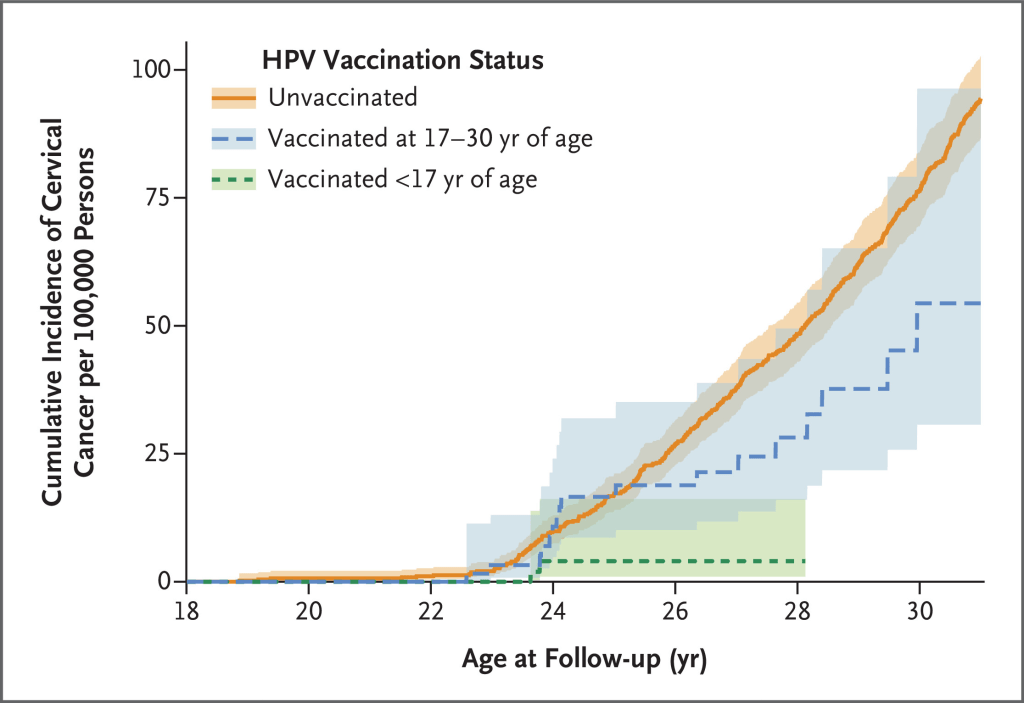
The orange line is the unvaccinated number of cancers, and the blue and green lines show the amount of cancer is substantially reduced in the vaccinated. Scotland is on track to eliminate cervical cancer entirely as a public health problem. Of note both pieces of data were available with plenty of time to spare for Warsh to include them in his analysis, but he consciously chose not to.
3. Candace Owens and her Shot in the dark: she experienced seizure/ vomiting after vaccines
We can of course have sympathy towards people who experienced severe reactions after a vaccine. However, the sympathy stops when people such as Candace go on an actual crusade to rail against vaccines in general, as she did in her Shot in the Dark show.
4. Risk of varicella vaccine doing future shingles in an adult
There actually is little controversy if the reader actually digs into the relevant studies rather than taking Warsh for his word. This part of the book is an oversimplification of two separate questions: Whether vaccinated children get more shingles, and whether or not reducing regular virus circulation increases the amount of shingles in our adults. The answer to the first question is a loud and clear no. Just like other vaccines, varicella vaccine is not capable of blocking all mild disease, but if a kid was to get herpes zoster, it is generally mild. The answer to the second question is also no at the population level, although conventional infectious disease physicians are still debating how small the effect of low levels of circulating virus on indirectly “vaccinating/boosting” adults so they don’t get herpes zoster as an adult (shingles). Vaccine scientists have again thought about this issue, and invented a vaccine with a part of the varicella virus missing so that it is impossible to establish latency that later causes vaccine strain zoster; this project is doing well so far. This again refutes the Warsh assertion that conventional physicians simply don’t care enough about vaccine side effects.
5. Flu vaccine could actually increase susceptibility to other respiratory infections. A 2012 study by Benjamin Cowling et al. found an increased risk of non-influenza respiratory virus infections, such as rhinoviruses and coxsackieviruses, in vaccinated individuals compared to those who received a placebo. This phenomenon, referred to as viral interference, suggests that the immune system’s response to the vaccine may temporarily render individuals more vulnerable to other respiratory pathogens.
It is very dishonest to pick a small study showing the result Warsh wants us to see without placing the study into context. The biology being described is the possibility of vaccines reducing the body’s ability to fight off other types of respiratory viral infections. Larger studies indicate the effect described is either very small or mixed.
Chapter 10 – Heavy questions
1. There is too much mercury in vaccines: Estimates suggested that by six months of age, cumulative exposure to mercury from vaccines could reach approximately 187.5 mcg for children who received all recommended vaccines containing thimerosal. For reference, the EPA’s reference dose for methylmercury is 0.1 mcg per kg of body weight per day. For a six-month-old infant, who typically weighs around 7.5 kg (16.5 lb), this equates to an estimated safe daily intake of approximately 0.75 mcg of methylmercury per day.
This calculation is dishonest on multiple levels. Warsh should have clearly labeled that the amount of mercury calculated corresponds to the pre-2001 vaccine schedule, and only if a kid received a vaccine schedule where ALL vaccines contained thiomersal as a preservative (even then, you could select preservative free vaccines). Next, this assumes that every baby accumulates in their tissues 100% of all mercury that is injected, which is not true (see Plotkin’s vaccines). Lastly this ignores the observation that ethylmercury, the main metabolic product of thiomersal, is quickly removed from the body (unlike the known toxicities of methylmercury). The two kinds of mercury only differ by one letter but behave very differently in the body. Should we still work on reducing mercury exposure from other food sources? Absolutely. Is MAHA/ Robert F Kennedy actually working towards a result? RFK Jr and his friends are actually LOOSENING restrictions on companies that pollute so that they may discharge more mercury into our environment rather than less. RFK Jr and his buddies aren’t actually that sincere about protecting us from mercury.
2. The WHO has maintained that the small amounts of thimerosal in vaccines are safe and that removing it from vaccines in low-resource settings could disrupt immunization programs, leading to more deaths from preventable diseases
This concern is not only theoretical, this actually requires new preservatives. Because countries that use the older vaccines have limited resources available to preserve vaccines that don’t have preservatives, a new preservative is needed to replace thimerosal if it were removed worldwide that has the safety and efficacy of thiomersal. The preservation of a vaccine is an entirely boring topic to most including this blog author, but just like any other organic product, a vaccine has a shelf life.
3. Healthy kidneys efficiently eliminate aluminum, reducing the risk of accumulation. This may not be true for individuals with impaired kidney function. Critics argue that more research is needed to establish the cumulative effects of aluminum from all sources, especially on infants who receive multiple vaccinations.
The antivaccine community is occasionally right on a very specific point – in that there is no randomized controlled trial on millions of children with chronic kidney disease to assess kidney worsening with vaccine administration. However, we know that the authentic kidney damage caused by ingested aluminium comes from large doses of aluminium in phosphate binders that must be given to these patients. We also know that patients with genuine chronic kidney disease are at far higher risk of dying from infections. The behavior of vaccine aluminium is also very well known by now – it gradually exits the injection site and does not reach the kidneys all at once. Finally, the ingested aluminium coming from normal food sources exceeds the aluminium in vaccines by orders of magnitude. While the majority does not reach the bloodstream, some of it does, and the portion reaching the bloodstream must be ejected by the kidneys. No major professional society has observed aluminium toxicity from chronic kidney disease patients going about their daily meals, provided those meals follow guidelines for those with chronic kidney problems. Lastly, we know for a fact that aluminium from vaccines does not impact the rate of pediatric chronic diseases.
4. Moreover, some question the accuracy of the stated aluminum content in vaccines. In 2021, a team of aluminum experts at Keele University conducted a study guided by Christopher Exley—a professor of bioinorganic chemistry of twenty-nine years and author of over two hundred peer-reviewed articles on aluminum.
Experimental experience in inorganic chemistry does not automatically translate into effective handling of biological samples. The issue with aluminium in vaccine form is that it is living in vaccines as a sort of goop. There are protocols in biology to shake these vaccines really, really well, to make sure the sample you test is very uniform. Otherwise, if you don’t shake it well enough, the goop stays at the bottom, and the sample you test can have a wildly inaccurate aluminium reading. It is also possible to fail to account for the amount of aluminium contamination coming from the bottle itself. Exley made these mistakes and tried to claim there was too much aluminium in vaccines. Separate quality controls not done by him show the amount of vaccine aluminium is stable. For all these reasons, Exley is generally dismissed by conventional physicians.
11 – Misinformation, disinformation, and malinformation
The problem with maligning and censoring people who question scientific gospel is twofold: First, it does not stop them from questioning; and second, it validates their skepticism. Why would anyone actively silence reasonable questions unless they seek to hide the answers?
The central premise of this chapter is dishonest. There are no serious pediatricians out there that genuinely seek to suppress questions or stifle debate. The author of this blog is a pediatric subspecialist and would welcome vaccine questions in the clinic. Even debates are welcome – however all participants in a debate are required to participate accurately in the scientific method. Participating in scientific debates means inadequate experimental technique, fraudulent studies, and poor technique in composing the research paper will be called out. These are not attempts to “silence criticism” – this is what would happen to any new graduate student exploring the field and being redirected as needed. Physicians are generally cool with discussing studies they have not seen and being humbled by new experimental data – but the social contract should go both ways, in that parents should be comfortable with the idea of potentially being redirected by their pediatrician if they carry a misconception. This too, is not silencing debate. If a family feels rushed, it is usually because the total visit time is 10-15 minutes and it is not physically possible to discuss all vaccine questions plus the rest of the visit in that time. Other venues are available for discussion such as http://www.vaccinetalk.org.
12- The Double standard
1. Conversely, if a person experiences a seizure, severe rash, or other moderate to severe symptoms shortly after receiving a vaccine, often, the reaction is not as readily attributed (if at all) to the vaccine. In many cases, health professionals will not advise the patient to avoid future doses of that or a similar vaccine. This glaring disparity in our response to possible reactions from medications versus possible reactions to vaccines is poignantly addressed by Suzanne Humphries, MD in her book, Dissolving Illusions. Humphries—a prominent nephrologist—was dismissed by her colleagues for pointing out the potential correlation between vaccines and kidney damage.
This paragraph is yet another oversimplification. A definitive blood test is not available for every conceivable vaccine side effect to say with high certainty, that this particular vaccine created this particular reaction. As is true in vaccine science everywhere, the presence of uncertainty leaves room for unsavory characters to cook up disinformation. Some vaccine reactions do have fairly definitive tests – nerve injuries can be assessed by biopsy, and vaccine myocarditis can be imaged by cardiac MRI. Other vaccine reactions have definitive treatments – vaccine anaphylaxis is treated by epinephrine. The issue with the oversimplification is the following: if you compare the amount of drug recalls vs vaccine recalls, the number of drug recalls typically exceeds the number of vaccine recalls. Conventional researchers do tend to agree that the causality bar is higher for vaccines compared to drugs. What further complicates the issue is that prior bad vaccine experiences (vaccine hesitancy) by itself fuels an increase in the reporting of adverse reactions of all severities after vaccination, even if the reaction was actually a slightly painful shoulder. The most modern summary of the issue is that the system is imperfect in both directions, and definitive tests such as cardiac MRI for vaccine myocarditis would be quite helpful in vaccine safety monitoring systems for other types of reactions. For those organizations who speak the loudest online about vaccine reactions like RFK Jr and his colleagues – I never see them funding studies that would derive definitive tests that prove vaccines caused a certain reaction like fainting after HPV or fatigue after a COVID vaccine. Again, because of their actions, I doubt the sincerity of the organizations that claim to stand with the people who experienced these side effects.
2. After the mRNA COVID-19 vaccinations, there has been increasing concern over a number of possible side effects, most notably myocarditis. Studies indicate that the risk of myocarditis, especially in younger males under thirty, may be around 1 in 5,000 to 1 in 10,000 doses, depending on age and dose schedule. In some studies, the rate has been as high as 1 in 2,500 in specific high-risk groups.
It is inappropriate to share the old risk of vaccine myocarditis when it was the highest, without informing the reader that the rates of vaccine myocarditis have changed. Vaccine myocarditis is so rare now it basically blends in to the myocarditis we typically see as pediatric cardiologists (that’s me). It’s caused by an odd genetic difference that allows the immune system to over-respond to the vaccine.
The reported incidence of COVID-19 mRNA vaccine-associated myocarditis varies considerably depending on the data source, case definition, and case-finding methodology.
A reasonable number to now quote is 2-5 per million which is similar to the amount of myocarditis a typical cardiologist sees https://www.cdc.gov/…/slides…/04-Meyer-COVID-508.pdf .
Perhaps the immune system has globally been trained so many times on COVID now it is used to it.
Chapter 13: Exemptions
- There is not enough respect for religious/ personal belief exemptions
This is more of a philosophical question than a scientific question although in my personal opinion, the debate reaches through to both sides. The libertarians and far right conservatives always believe nothing should be mandated, and people like myself are on the other side of the spectrum. The issue is that some freedoms have little consequences on other people, like the right to use the bathroom on your own land, or the right to shoot guns lawfully on a firing range while observing all relevant safety standards. The vaccine mandates though, always carry consequences for other people when families refuse vaccines. Infectious diseases to some extent are random – in the sense that refusing a vaccine for one family, does not necessarily immediately result in consequences for the person refusing the vaccine. However, eventually, unvaccinated people are more likely to catch the disease, more likely to get hospitalized, and more likely to transmit it to someone else. Refusing vaccines is therefore not a victimless choice – even the libertarian perspective recognizes that people may not randomly commit negligent aggression. There are also pro-mandate libertarians that believe that people have the right to not be given infections from other people. Both the kid and the family may refuse a vaccine (pediatricians still may not arrest people in order to vaccinate them) – but they also need to be fully on board with all the consequences. It’s not kosher to want to refuse vaccines, catch measles, bring it to a school too, and believe that everyone must be exposed to measles because a person has the right to fall ill with measles. A very important note – no major world religion bans vaccines. - Parents are justified in refusing vaccines for seizures/ side effects
In the calculations of side effects versus benefits, it is critically important to stay as objective as possible to thoughtfully process the risk versus the benefit. A febrile seizure is the most common type of seizure observed after a vaccine, and although it looks terrifying to the viewer, it actually has minimal long term consequences (see Nelson’s Pediatrics). Refusing an MMR vaccine for example, due to febrile seizures, places the child at risk for full on measles, that has two serious side effects called immune amnesia and future SSPE. Immune amnesia means the immune systems memory of all prior infections can be wiped out (and the person can get infected all over again). SSPE means the patient can die of future measles induced brain damage. Being fully invested in the emotional experience of a febrile seizure can make a family lose sight of the much worse, permanent side effects of a measles infection. I’ll add another analogy – most people aren’t too scared to drive a car just because sometimes a seatbelt saving a person in a car crash, could bruise the chest. To drive the point home: parents are justified in asking about the risk of vaccine seizures, but it becomes misinformed refusal when the parents don’t consider the risk of seizures from the actual illness. - to suggest that ubiquitous vaccination provides blanket protection to the immunocompromised is not entirely correct
This is starting an assertion on a false premise – no serious infectious disease physician says that immunization provides perfect protection to the immunocompromised. The protection is imperfect but still very good. Perhaps Warsh has never had to deal with an immunocompromised patient actually contracting a vaccine preventable disease, but when it happens, it is a disaster. Vaccination is the best tool we have to help our immunocompromised citizens steer clear of serious vaccine preventable disease when their immune systems can’t do it themselves. - Because everyone’s moral barometer is different, this question is, of course, rhetorical. Years ago, we were asked to take a handful of vaccines. That number continues to increase seemingly ad infinitum. The potential for known and unknown adverse short- and long-term side effects are real. At some point, the imposition on our personal freedom and bodily autonomy becomes excessive.
New vaccines are not created for fun; each one is about a billion dollars and is meant to help people deal with fewer vaccine preventable diseases. They aren’t adding to the vaccine schedule specifically to go out of their way to frustrate the Joel Warshs of the world. Every new vaccine is not an infringement on rights – it is a new tool to avoid a vaccine preventable disease. A person is actually most free when they don’t have to worry about an infectious disease. Because the argument about known and unknown side effects is so disingenuous I need to debunk it again: the potential for known and unknown issues occurs in many areas of our lives. The potential for unknown car crashes always exists on a commute – do you stop going to work for this reason? The potential for unknown bridge collapses is also real but tiny, do you refuse to drive on all bridges? Also, Warsh fails to thoughtfully address the presence of coadministration studies for new vaccines. These specifically look at whether or not a vaccine added to the prior vaccine schedule makes a new important side effect. The problem with this argument is that it can be infinitely expanded to anything you want. You can refuse an infinite number of things because you are afraid of an infinite number of future unknown risks. The known risks of each vaccine are very tiny and spelled out on each individual vaccine label. - What if your child is the 1 in 100,000 who gets encephalitis or seizures from a vaccine? What if your child is medically complex and fragile? Should you be forced to take a vaccine that has a real risk of side effects to your child to potentially and theoretically protect another through herd immunity?
This argument is so bad. The medically complex are the people most in need of vaccinations. An example of a medically complex child who has been in the news about vaccines is Hannah Poling, who had a mitochondrial problem that appeared to get her particularly ill after a vaccination. A starting point would be to discuss specific medical concerns with the doctor to see how side effects can be caught and dealt with. The issue with the first part of the paragraph is the emotional hook. It is dishonest to only worry about side effects in one direction. Yes, it is possible that a particular person has to deal with a febrile seizure after an MMR vaccine. However, that side effect is only correctly assessed against the side effect of refusing the vaccine (which would be the side effects of the disease and risk of febrile seizures from measles the virus). It is possible to visualize the relative risk of febrile seizures from the MMR vaccine versus measles the disease here.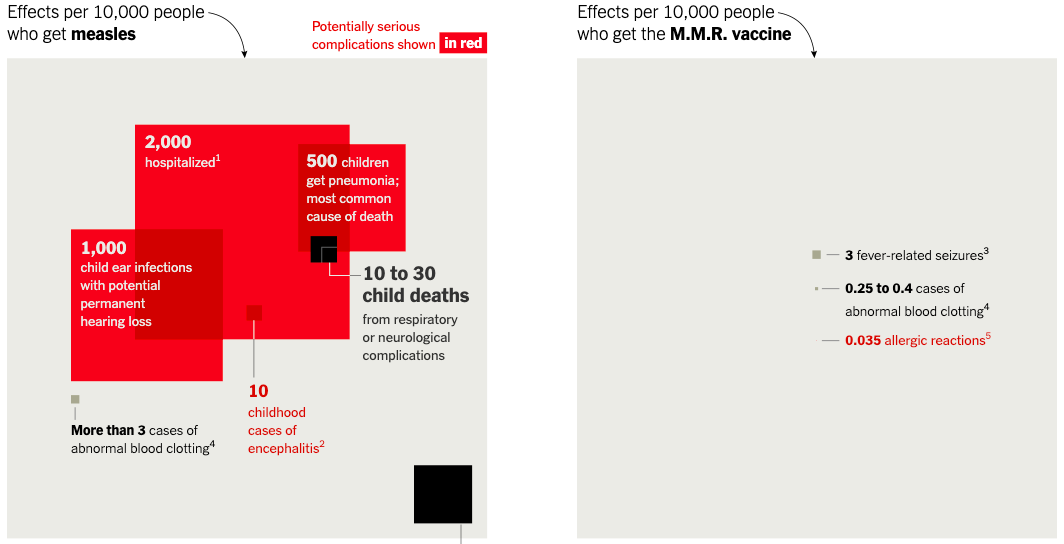
An analogy: the side effects of driving are lower than the benefits of going to work and earning your paycheck. Herd immunity is neither potential nor theoretical, it is a real scientific concept that occurs in real people. - the testimony of Plotkin on experimentation on the mentally retarded in the 1960s and aborted fetal tissue
Modern physicians pretty universally agree that medical experiments involving humans and animals should conform to modern standards of experimental ethics, which would be obtaining informed consent. On the fetal tissue, Warsh fails to clearly inform the reader that the fetuses involved in the vaccine-related stem cells were nonviable and could not have been rescued using the medical techniques at the time. The fetal tissue is used because of its favorable experimental properties such as the lack of prior infections confounding vaccine design. To emphasize one more time, the fetal cells are now propagated in laboratories with standardized techniques to make more of them; no new abortions are being used to supply the cells. - All vaccine hesitancy stems from misinformation
While there are physicians who make it more difficult for families to achieve informed consent for vaccines or shut down families trying to ask questions, misinformation is an extremely serious problem that makes understanding vaccines much more difficult. The full spectrum of vaccine hesitancy covers trust in the system, complacency about disease, convenience, pro-v-con calculations, and an individual’s sense of collective responsibility. Most vaccine researchers tend to agree that vaccine hesitancy is not a purely information deficit problem, but a catchy Youtube channel is always going to be there to exploit an emotional hook, make someone angry, or outright say something wrong about the science of vaccines but make it sound right because the presenter did it with a wink and a nod. I am a strong advocate for vaccine information guardrails such as social media companies immediately placing a link to a Health Department website on any piece of vaccine content. This way, no government infringes on free speech but also provides an immediate and simple fact-check to the savvy social media influencer who is a little loose on the facts and wants to sell a supplement. Another thing to do is to put a banner display on every social media bootup screen, that shows how to spot disinformation related to science. Finland has the world’s largest lead in fighting disinformation because they have the political willpower to address it in school and produce adults trained to spot disinformation target to serve a political aim rather than being what is truly most helpful for the population. Most of the rest of the world is debating the potential of chilling free speech when attacking misinformation at its source. While misinformation is correctly assessed as not the only problem, it is the biggest modifiable problem that can be fixed.
Chapter 14 – Vaccinated v unvaccinated trials
Another way to address these ethical concerns while also satisfying the demand for better evidence are observational studies that use existing datasets. These types of studies use preexisting data to examine the relationship between an exposure and an outcome.
Response: It’s not honest to want observational studies assessing vaccinated vs unvaccinated but also ignore the observational studies available that answer this question. A nationwide Danish study found that vaccines do not raise the risk of non-vaccine infectious diseases. Yet another study found vaccines do not influence the frequency of allergic diseases. If Warsh intended to do a literature review in this book, he clearly only reviewed the perspective he already wanted to hear.
Chapter 15 – The complex landscape of vaccine research and its long term complications
- For instance, nearly all vaccine inserts state: “Carcinogenesis, mutagenesis, impairment of fertility has not been evaluated.” Carcinogenesis is the process by which healthy cells transform into cancerous ones. What if ten years after it is administered, Vaccine X causes a specific type of cancer?
This statement is inserted into FDA vaccine labels as a transparent statement just to state that traditional cancer studies are not performed on vaccines. There are two major reasons to do this – cancers are caused by errors in the genetic information of the patient, whether inherited or acquired over time. Vaccines just don’t get down into the cell into its genetic material. The second reason is that vaccines are a few discrete exposures – genuine cancer usually requires a sustained exposure of something damaging the cell to truly generate cancer. These are the biggest reasons we don’t create specific studies pouring vaccines on human cells to see if they get cancer, because this would not mimic realistic physiology. To directly answer the question, there have been separate studies showing us that no, vaccines don’t cause childhood cancers. It is no longer sensible to keep on pursuing a hypothesis like this when the population studies say there is no relationship. - Since 1982, the National Vaccine Information Center (NVIC) has advocated that well-designed, independent, ongoing scientific studies are needed to: 1. define the various biological mechanisms involved in vaccine injury and death; 2. identify genetic and other biological high-risk factors for suffering chronic brain and immune system dysfunction after vaccination; and 3. evaluate short- and long-term health outcomes of individuals who use many vaccines and those who use fewer or no vaccines to determine the health effects of vaccination on individuals and the public health.
Antivaccine activists always mislead patients: and the NVIC is no different. It ranks amongst one of the most dishonest things Warsh has done in this book, to casually name drop the NVIC without accurately quoting its background and intentions. While not available for every vaccine on the planet, investigators have tried to sort out the molecular mechanisms of certain types of vaccine injury/ death. This study was available well before the publication date of the book and Warsh chose not to include it. Yet other studies have looked into certain subtypes of brain dysfunction after seizures related to vaccines. We have yet other studies looking into immune dysfunction related to COVID vaccine myocarditis. All these studies quoted here were available in time for book publication but Warsh chose not to include them. Point number 3 is answered throughout this document; the amount of entirely unvaccinated people is much smaller in most cases than a vaccinated population and can also be systematically different; only a very few number of specific types of studies can be done in this situation to have good statistical meaning. - COVID-19 vaccine, which, postmarket, was discovered to adversely impact menstruation. … vaccines are not studied for impairment of fertility. We know this because the manufacturers routinely tell us in the vaccine inserts. In this same article, Bianchi claimed, “We were worried this was contributing to vaccine hesitancy in reproductive-age women.”
Those who have followed the antivaccine ecosystem for a while know that scary assertions about menstruation and fertility have been recycled over many decades to try and scare people away from multiple different vaccines (it is worth reiterating a victory for them is a vaccine not given, and a victory for a conventional physician is a vaccine preventable disease that didn’t get someone ill). While people certainly can feel genuine menstrual changes after vaccination with a COVID vaccine, they are temporary. Other studies show that COVID the infection, can transiently hurt male testicular function/ fertility, but there is no significant effect on fertility after receiving a COVID vaccine. - Newborn rhesus macaque monkeys given the hepatitis B vaccine within twenty-four hours of birth experienced delays in acquiring neonatal reflexes such as rooting, sucking, and snout reflexes compared to unvaccinated controls.
When conventional physicians assess studies they always assess BOTH the limitations and the strengths of the study. Warsh presented only the conclusions he wanted the reader to hear, while omitting the fact that the study referenced was very small and there was no blinding, which means the people assessing the macaques could see what they want to see and have no accountability. Furthermore, the study had a conflict of interest in that the study was partially funded by an organization already trying to find a link between vaccines and autism. The followup larger study by a different group found no link. Conflicts of interest matter when they are pharma, but don’t matter to Warsh in the other direction (when they are funded by antivaccine related organizations). Lastly, while it is good to test hypotheses in animal studies, the most definitive type of study would be a human study, and there were no significant neurological events seen after hepatitis B vaccination in humans. - Another theory postulates that vaccines may cause inflammatory responses, which, over time, could lead to the development of autoimmune diseases. One such study by Lluís Luján et al. found that sheep repeatedly vaccinated against various diseases developed autoimmune and inflammatory symptoms, like acute meningoencephalitis, poor response to stimuli, and neurological issues.
While it is good to think about what might happen with animal studies, for the same reasons as the previous paragraph, comparison to human studies is mandatory. Warsh made the very egregious error of excluding a meta-analysis that answers this question head on: a 144-study meta-analysis over 52 years reveals to us that the amount of autoimmune disease in the vaccinated is similar to the unvaccinated. When paired with studies on molecular mechanism, this is basically the highest available evidence. While it is always plausible 2 people somewhere experience a rare reaction out of 1 billion, which would be far, far lower than any conventional threshold for a vaccine side effect signal, an appropriate scientific study would investigate why those two people’s immune systems are different. A conventional study would not exclude the good evidence in favor of the bad evidence as Warsh did. Most physicians would favor innovative solutions to discover why a particular person had a vaccine reaction, but incorrectly generalizing to a population is not acceptable. - The concerns over excessive stimulation of Th2 responses is based on the way the immune system develops and functions. The balance between Th1 and Th2 responses is critical for maintaining an appropriate immune reaction to pathogens while avoiding overreactions that could lead to allergies, asthma, or autoimmune conditions.
This concern is not totally ridiculous on the molecular level but the available evidence says this doesn’t occur to a clinically meaningful degree (meaning the effect is very tiny). Two big pieces of evidence against this – most major autoimmune diseases like Crohns colitis are driven by defective Th1 and Th17 cells. The other big piece of evidence is the population level study cited multiple times previously, that shows in the entire country of Denmark, vaccinated people did not systematically get more allergies, asthma, or autoimmune conditions. An effect that is supposed to occur again and again shouldn’t disappear when you sample a whole country. I repeat: While it is always plausible 2 people somewhere experience a rare reaction out of 1 billion, which would be far, far lower than any conventional threshold for a vaccine side effect signal, an appropriate scientific study would investigate why those two people’s immune systems are different. A conventional study would not exclude the good evidence in favor of the bad evidence as Warsh did. Most physicians would favor innovative solutions to discover why a particular person had a vaccine reaction, but incorrectly generalizing to a population is not acceptable. - the analogy of long-term medicine side effects vs long term vaccine side effects
There are several reasons vaccines don’t cause side effects far in the future the same way drugs can do that. Biggest reason: Vaccines are a few discrete exposures that don’t keep challenging the body. This has also been studied head on: virtually every confirmed vaccine side effect has happened in the 6-8 week timespan after receipt of the vaccine. It is not acceptable for Warsh to claim his book is a literature review when he doesn’t include the most important studies addressing his point. If he believes a vaccine can cause a side effect 10 years after it has disappeared from the body already, he needs to produce the study convincingly showing this. - Some believe that vaccines may weaken the overall immune system or interfere with natural immune development. Such theories are rooted in the belief that vaccines disrupt the immune system’s maturation and potentially increase susceptibility to unrelated conditions. Does this theory also have zero biological plausibility?
Warsh is not being appropriate in using the word theory loosely in a purported science book: a hypothesis is an educated guess, but a theory in scientific English is a well-established statement about the world backed up by a lot of real-world evidence (like the theory of gravity). A new immunology graduate student has the right to think up whatever thoughts come to mind, however Warsh has again ignored studies relevant to this question. In graduate school, we expect students to attempt to think about prior studies that have addressed the issue. The following study tells us that exposure to typical vaccines in the first 23 months of life does not result in any problems with non-vaccine related infections. Overturning paradigm has been done before but people who do that actually come with evidence better than what was previously produced. - Insofar as the whole-cell DTP vaccine continues to be administered in Africa, Kennedy is correct. … I could not find any information to corroborate Kennedy’s claim that 1 in 300 children were severely injured from the DTP vaccine.
While Warsh can claim that RFK Jr quoted Peter Aaby and Christine Stabell Benn’s study findings correctly, even Benn agrees that her article is not big enough to support the conclusions as stated. There are also multiple other statistical problems with believing in the vaccine negative nonspecific effects listed. - The findings of these Bandim Health Project studies force us to contemplate the benefits of disease protection in conjunction with the potential broader adverse consequences. Reducing this issue to anti-vax or pro-vax irresponsibly ignores (or perhaps deflects) from the very palpable and critical public health implications integral to this debate.
It becomes antivaccine when Warsh fails to thoughtfully deal with the limitations of the study he is praising. Throughout the book Warsh has attempted to elevate antivaccine studies as on the same level of credibility as a conventional vaccine study by a peer-reviewed journal purely to present both sides of the argument. This has never been the case in any subspecialty of science. Peer credibility is gained from doing work that stands up to scrutiny; multiple issues in science do not have “both sides”. There are no public health implications of the Bandim health project other than withholding vaccines that will unnecessarily lead to illness and hospitalization (due to the citations in point 9 above). Every approved vaccine has a document of some version, comparing its risks to its benefits. - Scientific community concurrently tells them that long-term side effects are not biologically plausible
This is not just a saying, the ingredients in vaccines do not stay in the body long enough to produce multi-month or multi-year durations of side effects. Furthermore, vaccines are a few discrete exposures rather than for example, multiple years of exposure to tobacco and alcohol that produce very well documented negative effects on health. This sentence is also dishonest because it tries to imply that vaccines might cause cancer – when there are studies already showing that vaccines don’t cause cancer. Cancers are caused by errors in the genetic information of the patient, whether inherited or acquired over time. Vaccines just don’t get down into the cell into its genetic material where they could cause the errors in genes that lead to cancer. These are the biggest reasons we don’t create specific studies pouring vaccines on human cells to see if they get cancer, because this would not mimic realistic physiology. To directly answer the question, there have been separate studies showing us that no, vaccines don’t cause childhood cancers. It is no longer sensible to keep on pursuing a hypothesis like this when the population studies say there is no relationship. - Today, it seems that anyone who questions vaccine narratives is automatically deemed a congregant of the “Church of Kennedy.” While Kennedy is not the focus of this book, I would be remiss if I did not mention him . . . for obvious reasons. Kennedy has repeatedly sworn he is not anti-vax. Despite this, he has unintentionally become a figurehead of the anti-vax movement.
The most forceful rebuttal to this is Kennedy’s own emails obtained during his tenure as HHS boss. He has said he is not antivaccine, but he has done everything in his power to hurt the credibility of vaccines, reduce access, or stop vaccine advertising. It doesn’t get any more antivaccine than that to try and stop vaccines when you are in the position of power. To put it kindly, RFK Jr is one of those people where you need to watch what he does more than what he says he does. His behavior hasn’t changed in the last few decades. The man can’t claim to be antivaccine when he has done everything in his power to discredit vaccines or make them more difficult to take even from people who want them. - dishonest FOIA by ICANN
The Freedom of Information Act is meant to allow general citizens to obtain nonclassified government information as one tactic to make the government accountable. The key when actually carrying this out is to realize the staff members who process FOIA will take your requests extremely literally. If you specify your requests in a way that you know the government will not be able to provide the records, then the government will just say “these records are not available”. They will not be nice, bend over backwards to find extras for you, or creatively interpret your email to find additional documents they thought you might like. Then, an actor like the Informed Consent Action Network can use the FOIA response to claim the government is hiding records or something along those lines [OMG, the government didn’t have something that they clearly were supposed to have]. While ICANN’s name sounds reasonable (Informed Consent Action Network), it is one of the USA’s largest antivaccine networks doing everything they can to bring vaccines to court or create the maximum possible mistrust about them. Takehome point here: ICANN can word a FOIA request in a way that they know the government will say they don’t have records, and then the ICANN people will claim the government made this mistake and that mistake studying vaccines. - The solution is not to silence those who push for more rigorous safety testing; it is to provide better safety testing.
The solution is not to silence people, the solution is for people sympathetic to Warsh is to first thoughtfully read through the safety testing already available and come up with reasons why specifically, it is not satisfactory. Warsh’s arguments throughout this book have been basically ignoring good research in favor of bad research, and then complaining that there is no good research. Conventional vaccine scientists look at prior vaccine safety research all the time and try to sort out ways to make it better (see all the instances in this document alone of people trying to make a more effective/ safer vaccine). Criticism is not the same as silencing people, and certain media ecosystems love to conflate the two. A parent looking to participate in a vaccine discussion should be open to redirection, and not immediately take corrections as “silencing free speech”. - The current approach precipitates a deeper distrust of the medical community. Moreover, labeling individuals as anti-vax could cause them to seek validation in spaces that may lack scientific rigor, deepening polarization.
Most physicians have no quarrel with individual familes who ask questions. We generally try not to label individual families as antivaccine activists. However, the soaring popularity of true antivaccine activists means we must fight those belief systems in our physician offices every day, which sometimes necessitates views that a family doesn’t want to hear. Warsh’s statement is not a hypothetical – at the very minimum, thousands of families already seek validation in spacers with a lack of scientific rigor. Physicians should be willing to update their beliefs based upon new evidence – and so should families, especially when that guidance involves point out why antivaccine advice is incorrect. It isn’t the physicians all suddently turning antivaccine that brought back measles outbreaks – it is purposeful distrust seeded worldwide creating inappropriate doubt about well established measles vaccines, that has brought back outbreaks. - Using data from the National Health and Nutrition Examination Survey, another study, this one published by E. L. Hurwitz et al., examined the DTP or tetanus vaccination, lifetime allergy history, and allergy symptoms in infants aged two months through adolescents aged sixteen years over the course of twelve months. The study found that the likelihood of having a history of asthma was twice as great among vaccinated subjects than among unvaccinated subjects. The odds of having had any allergy-related respiratory symptoms over the course of twelve months were 63% greater among vaccinated subjects than unvaccinated subjects. The associations between vaccination and subsequent allergies and symptoms were greatest among children five through ten years of age.
Warsh cannot claim to be thoughtfully reviewing the data when he ignores the methodological limitations of the Hurwitz et al study, which relied on parental recall to make diagnoses of allergic illnesses. While recall is helpful, it doesn’t substitute for a real clinic visit. Summaries of larger studies using the meta-analysis technique indicate vaccines do not systematically cause allergies. Most physicians are open to individual kids being an exception, but this must come with evidence, not “because I said so”. - A 2023 study by Matthew Daley et al., published in Acad Pediatrics, looked at over 326,000 children. It found that about 4.4% of these children had eczema. They compared the amount of aluminum to which these children were exposed from vaccines. Children with eczema had slightly more aluminum exposure than those with no exposure.
It is reasonable to try and dive into larger Vaccine Safety Datalink studies to look for these types of links. However, the authors themselves acknowledge confounding by healthcare usage as a known issue with the study. As in, people with eczema are more likely to use the doctor more, which by itself can lead to more diagnoses in this type of observational study. In very large studies, a small difference can be detected, but it is not necessarily relevant to the average person. The most definitive population level study says there is no relationship between vaccine aluminium and chronic allergic diseases. To answer the concerns head on, we even have a study that talks about the known things that trigger eczema: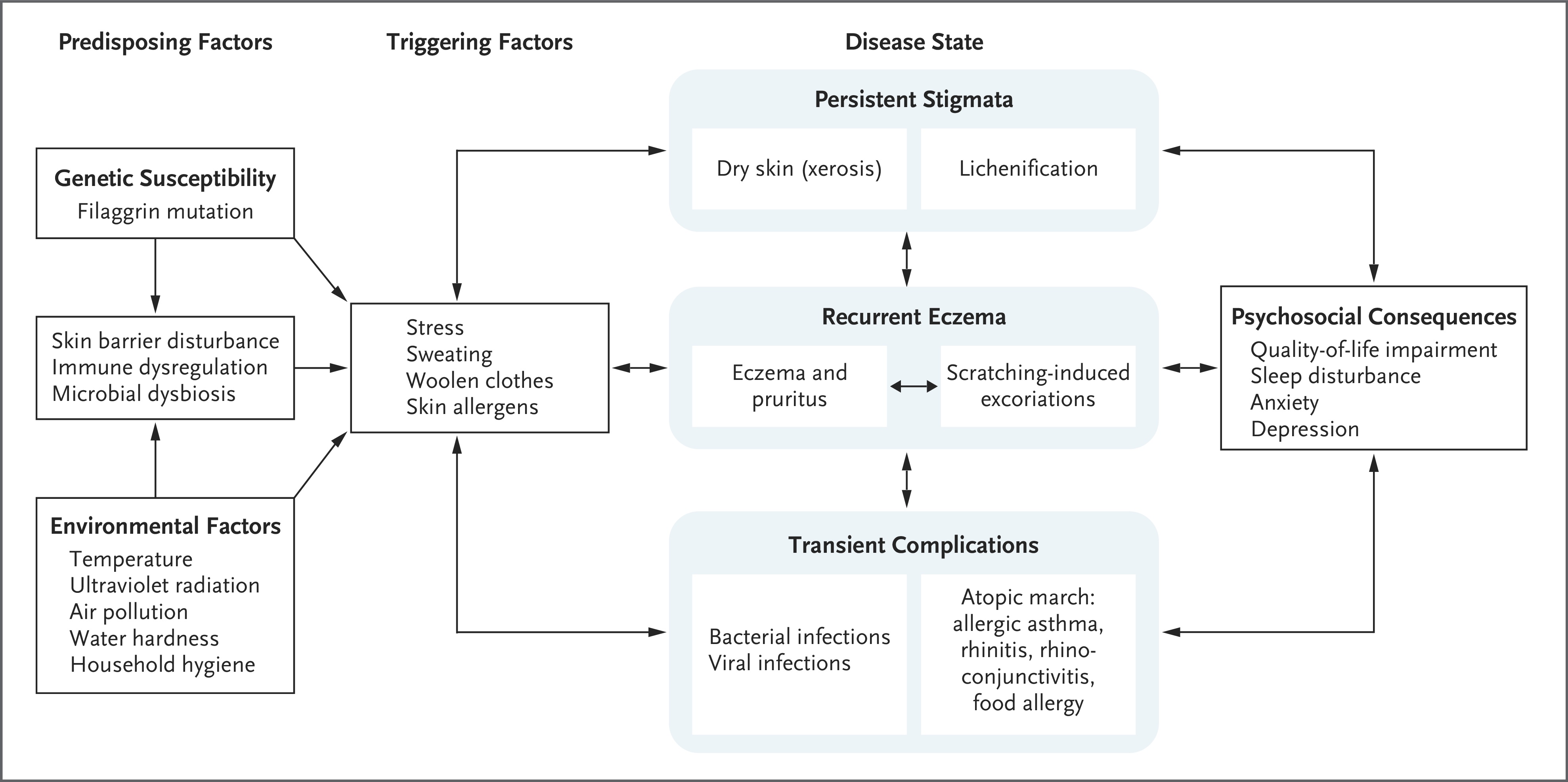
- The Shneyer study… This study is one of the few that investigated slower vaccination schedules compared to the traditional, accelerated schedule. While in no way dispositive, it highlighted the growing need for large-scale, controlled trials to compare health outcomes across different vaccination approaches. Studies of this nature would help determine whether spacing out vaccines or giving fewer shots at one time may reduce the likelihood of adverse events without significantly increasing the risk of disease.
Due to what Warsh mentioned, we cannot create simple vaccine schedule studies where a group of kids is given the regular schedule and another group is given a delayed schedule. The closest study to this would be a study comparing two speeds of DTP vaccination, which found that the accelerated schedule was more important in areas with high incidences of pertussis. Practically, what this means is that delaying a schedule might subjectively make the family feel better about tracking down side effects, but it leaves children exposed to disease risk unnecessarily. - We cannot declare the immune system capable of processing an unlimited number of vaccines without fully considering the complexity of the way vaccines interact with the body.
The complexity of the immune system is pretty well characterized at this point. Warsh is wording the statement to be purposefully unfalsifiable, untestable, and unscientific. Dr Offit’s guess that the body can process around 10 000 vaccines simultaneously is not a number just thrown around, it has a chain of reasoning behind it. This is how it starts: The cell responsible for managing your body’s antibodies (the little proteins that actually recognize foreign things) is called the B cell. Each B cell produces 1 antibody, and at any one time, the body carries about 10 million B cells available for work. Only a very small slice of those 10 million are engaged by any single foreign thing in the body. Even if all childhood vaccines were given all at once, with all the individual doses, that would still be a tiny fraction of the total B cells. In the real world, the infant/ child/ toddler body is processing all the hundreds of millions of dust particles, bacteria, pollen, dirt, and other things lying around in the environment, making sure they don’t set up shop in the body. We have also observed in real humans, that giving simultaneous vaccines does not affect the ability of individual vaccines in doing their thing. Multiple citations are available showing multiple vaccines do not damage the immune system. Yet again, Warsh has ignored the studies he doesn’t like.
16 – Autism and Vaccines
- Future vaccines might cause autism
The entire foundation of science rests on making hypotheses that are testable. For example, gravity in outer space is testable by telescopes because we can watch and measure how planets move. We know that the hydrogen on Earth is the same as the hydrogen on the other side of the galaxy. We know how plants grow in low gravity because we can personally bring them into low gravity on the Space Station. Making the assertion that vaccine scientists haven’t done enough to rule out that vaccines might cause autism, by hypothesizing that a future unknown vaccine might cause autism is creating a nonscientific, unfalsifiable claim. This is also an appeal to ignorance, in that he is trying to entice his readers into believing it might be true because it hasn’t been proven false yet to keep the illusion alive. This statement cannot be addressed by science because it is fundamentally unscientific. Furthermore, this is a weak attempt to sow doubt into a reader’s mind to be afraid of all future vaccines because “they might create autism”. It is important to repeat a point I shared above – would you refuse all car rides because of the future uncertain risk of car crashes? Would you refuse all plane trips because some plane somewhere, may crash? Would you refuse all transit across any bridges because there were bridge collapses in New Jersey? This is the same logic at work here. It is up to the person making the claim to identify a future vaccine that might cause brain inflammation, not just assert it might be true. Since Warsh is worried about brain inflammation causing autism, he should be advised that an older MMR vaccine containing a specific subtype of measles was in fact pulled because it created too much brain inflammation, again illustrating that vaccine scientists do try to look for this side effect. - The existing research on vaccines and autism primarily looks at the link between the MMR vaccine and autism and thimerosal and autism. These studies mainly compare children who received the MMR vaccine or thimerosal to children who received other vaccines on the schedule, as opposed to comparing them to unvaccinated children. Unless there’s a secret stash of vaccine autism research hidden away somewhere, that’s it!
This is what happens when Warsh claims to read the available studies and actually didn’t. There are other meta-analyses that assess other vaccines and show us that they aren’t associated with autism. There are other studies that show that the number of vaccine antigens is not associated with any of a large number of neuropsychological outcomes. There is yet another study that reveals to us that cumulative vaccine aluminium exposure is not associated with autism. Warsh does not understand why our largest vaccine-autism studies focused MMR and thiomersal – conventional families that accept vaccines have a near universal uptake of the other vaccines outside of MMR, and this makes the people who truly don’t receive the non-MMR vaccines exceedingly tiny and nonrandom. When you have a two group comparison that is very inequal like that, the chances of other associations coming up that confound your result gets higher and higher. This makes this specific question hard to study from this exact angle (although the reader can be assured that when a large vaccine study says MMR doesn’t cause autism, the study is basically also indirectly also telling us all the other vaccines added to the MMR vaccine, given together, aren’t related to autism risk). The closest study we have that can answer the question indirectly is the following, which shows us that combined vaccine antigen exposure has no relationship to future neuropsychological outcomes. - The Maglione study goes on to cite a 2010 Gallagher and Goodman secondary analysis of the National Health Interview Survey conducted on 7,074 boys born prior to 1999, in which vaccination status and health outcomes were reported by parents. This survey showed: The results were significant for the risk of autism in children who received their first dose of hepatitis B vaccine during the first month of life (Odds Ratio 3.00, 95% Confidence Interval 1.11-8.13).
It is just completely inappropriate to cite a worse study when multiple population level studies such as the ones by Hviid et al are available. The assertion given in the book is an attempt to convince the reader that hepatitis B vaccines cause autism, however the worst problem with the study is recall bias – because just simply responding to a survey can be biased in multiple directions, the study mainly collates how well parents report the conditions of their children. Secondarily, it is surprising that the author, claiming to be trained in epidemiology, does not know that the cross sectional format of the study, means that the autism and hepatitis B vaccine recall were all measured at the same time. This then means that a study done in this format can never, ever, ever, ever, establish that something causes something else. As previously referenced, because all our major vaccines are combination vaccines, it is exceedingly difficult to accurately locate patients who have just not received the hepatitis B vaccine. Therefore, the next best type of study to compare these two groups is those who have received major infant vaccines and those who have not. In such a study, there is no association between infant vaccination and later autism. - We are asked to silently accept the unfounded conclusion that vaccines don’t cause autism because they haven’t been proven to cause autism.
This statement is attempting to play a logical trick. In most of science, we cannot prove a negative, as in we cannot prove that there was never ever an instance of one particular thing. However, we can show that the frequency of a certain association is so miniscule as to be indistinguishable from it practically not happening. A real-life analogy is if I asked you to be a chocolate bar inspector, and asked you to ensure there was never any peanut chip contamination in all the Kit Kats on the entire planet. It is possible to pull a lot of Kit kat bars off the assembly to check, but there is no practical way to stop every single bar at the inspection station to make sure. Regular flavor Kit Kat bars made correctly generally are accepted to have no peanut contamination though! The same thing applies to this argument. We now have so many population studies on vaccines and autism that we can confidently dismiss this association and focus on the autism research that really matters from neurologists, such as the determination that gestational diabetes and advanced paternal age are pretty strongly associated with autism. Don’t let Warsh play even one logical trick against you. - In 2004, DeStefano conducted a study also examining the relationship between the MMR vaccine and autism. Published in Pediatrics, the study was coauthored by senior CDC scientist William W. Thompson, PhD. A decade later, Thompson publicly expressed concerns over the study’s handling of data concerning African American children. In a statement released on August 27, 2014, Thompson revealed: “I regret that my coauthors and I omitted statistically significant information in our 2004 article published in the journal Pediatrics. The omitted data suggested that African American males who received the MMR vaccine before age thirty-six months were at increased risk for autism.” Thompson further indicated that some of the decisions regarding which findings to report were made after data collection.
While this finding was very politically expedient for those who wish to continue to cook up doubt, Warsh is hiding some statistical facts from you despite claiming to have enough public health training to know what he is doing. When you have a large group of people in which you are examining an exposure and outcome, you can keep on selecting slightly different groups over and over again to purposefully find the relationship you want. The 36-month thing was a thing called ascertainment bias. Ascertainment bias means that if you go to a gym and try to use a survey to figure out how active the general population is, you will naturally skew towards the gym bros, and not give everyone in the population a fair chance of being included in the sample. People under 36 months needing to enroll in an early start program to help them with autism, are generally required to come prepared with vaccine records, including MMR, inserting a selection bias. The biggest refutation is the later large population studies that have not found any association in any subgroup. - You may also recall the 2019 Hviid study. Posing another potential conflict of interest, the primary funding sources for his study were the pharmaceutical company Novo Nordisk Foundation and the Danish Ministry of Health. (This is analogous to Pfizer and the CDC funding a US vaccine study, the outcome of which has tremendous public health implications.)
Public health is part of a socialized medical system in Denmark, which means they have a very strong financial incentive to make everything as cheap as possible. Doing a vaccine generally means paying for the cheaper thing so that a population is less likely to be hospitalized. The other funder, the Novo Nordisk foundation, is a completely separate organization from the pharma company Novo Nordisk, even though they share almost the same name. This is a willful misrepresentation on the part of Warsh. The foundation does have a professional relationship with the pharma company, however they have an entirely different directorship that is focused on various philanthropic projects (arguing about whether or not billionaires are truly sincere in their philanthropy can be the subject of multiple graduate school theses). The pharma company is actually focused on obesity medicines, rather than vaccines, and they have no financial interest one way or another in whether or not vaccines succeed. An example of an actual vaccine pharma company in Denmark is Bavarian Nordic. What would be a funding source commensurate to the resources needed to carry out Hviid’s nationwide studies and acceptable to Warsh? He in fact says somewhere else in the book that vaccine companies should fund their studies. He can’t even be consistent with his own viewpoints. - Comparing vaccines to glyphosate and sugar
This is an entirely dishonest comparison. There is strong agreement amongst dieticians that excessive sugar consumption is only bad for your health. There also is strong agreement amongst agricultural professionals that farmers should shield themselves from glyphosate industrial exposure, but the argument as it applies to the consumer centers around a fundamental disagreement between hazard and risk. Hazard means, whether or not glyphosate can be found to cause cancer at any possible amount, and risk means, whether or not glyphosate has been found to cause cancer at human relevant amounts. The practical bottom line is that people are genuinely asked to avoid industrial exposure to glyphosate but can simply wash their fruit and vegetables to stay safe from typical produce exposure to glyphosate. This blog was written for free by the way, so the reader of the blog can be assured that Monsanto/big Agriculture did not pay me to say this message. If a study shows systematically that glyphosate causes cancer in typical exposure amounts in the grocery store, I am willing to change my mind. Industrial exposure to glyphosate doesn’t generally matter to the average consumer, because we don’t work with large containers of glyphosate. - Siri deposition
I encourage the reader to see how Siri always steers his questioning in such a way as to produce the answer he wants to hear from a witness. This is expected from a cross-examining lawyer, however: remember he is the most well recognized antivaccine lawyer in the country. He is going to want his cases to turn out a certain way. Warsh fails to reveal that the actual court outcome of the case was that science won out, recommending that the child be vaccinated. - Vaccines trigger inflammation in the brain that causes autism
This statement is ignorant of actual neuroscience that looks into the specific kind of brain inflammation that has been documented in autism, and it is thought to begin around 30 weeks gestation, which is well before the baby can be vaccinated. The biggest mistake Warsh makes here is to ignore that there is not only one type of brain inflammation. He later claims that vaccines are one theory for the cause of autism – he is purposefully conflating the scientific English meaning of the word with the conventional conversational English meaning. In conversational English, theory means any guess you might have. In scientific English, theory means heavily evidence backed statement on how the world works. Because population studies are so strong in showing vaccines don’t cause autism, it is no longer a rational statement for any pediatrician to make that vaccines still “might cause autism”. - Story of triplets Claire and Richie getting PCV vaccine and being delayed
The actual way a conventional pediatrician would sort this out is to look into calling a developmental pediatrician and a neurologist to sort out what may have actually happened, rather than reflexively blaming vaccines. Warsh portrays this story purely as a emotional hook to cast more doubt.
Chapter 17 – SIDS link with vaccines
Boatmon V HHS: Note that this was a legal determination that the family met the National Vaccine Injury Compensation Program (VICP) standard of evidence to determine that a child potentially died as a result of a vaccine side effect, using the hypothesis that the vaccine set off a significant degree of inflammation that an infant could not handle. It is very important to note that a court never determines standard of medical care – they determine court case outcomes. The epidemiological data overwhelmingly show (see Childrens Hospital of Philadelphia vaccine page) that vaccines do not cause SIDS (and indeed some epidemiological data show that SIDS risk is lower). The biggest risk of dying that is mitigated by vaccines, is dying from vaccine preventable diseases. You die less from vaccine preventable diseases when you vaccinate. Warsh hopes that his readers don’t know that courts do not determine the medical standard of care, and that the VICP, despite all its shortcomings, was designed to make it relatively easy for a person with a suspected vaccine side effect to seek compensation.
what are the known causes of SIDS: If an infant were to actually try to experience cardiac arrest in the hospital, the author of this blog is positioned to assist in the rescue (not a brag, pediatric cardiologists are supposed to train in rescuing people in this way). Cardiologists and Emergency Room physicians are trained to look for signs that kids are trying to die in the Emergency Room, and the first order of business is a sequence of events called Pediatric Advanced Life Support. These aim to restore breathing and circulation as fast as possible so that an investigation into the kid can begin. Once a kid survives, that kid is taken to the pediatric intensive care unit to search for why the almost dying event occurred. While the actual reasons are very numerous, we find things like heart rhythm problems, myocarditis, really bad pneumonia, and bloodstream infections as common causes of kids trying to die. The best thing the public can do to also help reduce the risk of SIDS is Basic Life Support – every community around the world should have contacts that point the reader towards how to do effective chest compressions and breaths in children to be ready to rescue them should a serious life threatening event occur.
18 – Bridging the Divide/ Conclusion
Many vaccine-hesitant parents do not feel their concerns are being acknowledged… their confidence in the medical system has eroded not because they are necessarily against vaccines but because they do not feel their valid concerns are being heard or seen.
The issue with having a scientific conversation is that if you want to be admitted to a scientific debate, you must also be prepared to play by the ground rules, of which the most important one relevant to vaccines is coming with an understanding of previous vaccine research and the hierarchy of evidence. This blog has showed how multiple different types of evidence are inferior to population level studies. Warsh throughout has opted for lower quality evidence to the exclusion of population level studies, and this consistently leads him astray from the standard of care. When parents come to a vaccine discussion in the pediatrician’s office, it is reasonable to expect the pediatrician to be open to new evidence, but it also must be simultaneously expected that the parent sometimes must be redirected away from poor evidence. Equating redirecting with “not hearing concerns” is one of the actual roots of Warsh’s complaint that both sides don’t hear each other. Correcting misconceptions is not intruding on free speech or censorship.
My response to the 10 plans of action proposed by Warsh:
1. Foster open dialogue: Open dialogue is always welcome in a pediatric clinic. The parent however, must be as willing to be redirected as the pediatrician is willing to consider new evidence.
2. Empower vaccine-injured families: Genuine vaccine side effects such as vaccine myocarditis and GBS after influenza vaccine of course deserve all the compensation and medical care. No serious cardiologist or neurologist refuses to care for such a patient. Establishing a vaccine side effect occurred however, demands the rigor of the scientific method, not just “I said so”.
3. Host public debates: legitimate scientific debate requires that all sides follow the scientific method. Calling out a speaker for reaching for poor evidence to the exclusion of standard of care documents, is fair game in a scientific debate. Unfortunately, dedicated antivaccine activists have no interest in participating in a formal scientific debate in the style of the World Science Festival, they want a show. I will debate a patient anytime in the written format, but the requirement is to accurately follow the scientific method.
4. Ensure data transparency: bring any data you like to a vaccine discussion. Just know that the requirement for data transparency goes both ways, both pro and antivaccine. Most vaccine studies are also available online in full text for discussion in clinic.
5. Establish an independent vaccine commission: the equivalent of an independent vaccine commission is health departments all over the world coming to similar conclusions about the safety and efficacy of vaccines. This is an indirect way of saying he wants independent funders of vaccine research – however, remember Warsh explicitly spelled out in the book that he wants vaccine companies to put up the money for the research. He is inconsistent with his own views. It is very hard for multiple health departments and universities to come to the same conclusion because of “a worldwide illuminati conspiring to boost vaccines”. A lot of the time, we can’t even agree on the optimal pizza to order for office lunch.
6. Launch large-scale studies : these already occur but Warsh essentially thinks the antiavccine community doesn’t get enough airtime. Large scale vaccine studies are done according to modern standards of medical ethics, which Warsh clearly is not a fan of, but help us get the best results while making sure children are not unnecessarily exposed to vaccine preventable diseases. Warsh has ignored many large-scale studies throughout his book that the author of this blog has linked.
7. End social media censorship : This one is frankly laughable because antivaccine activists get viral much faster than conventional pediatricians and public health professionals. A piece of disinformation can cross the world several times before a conventional scientist can get changed in the morning. This problem has even been around for decades! Physicians like the author of this blog are uniquely upset about disinformation activists because we have to deal with the consequences of patients falling for disinformation such as the kind that Warsh provides, while he gets to get away with no consequences. Numerically speaking, Warsh is winning in censoring me, not the other way around. Social media companies are on Warsh’s side and have been for a few years, with the assistance of governments.
8. Evolve vaccine messaging : the best kind of vaccine messaging is the kind that sticks to principles of good public communication as well as saying the information that is science based.
9. Protect medical freedom : Medical freedom should be considered as always coming with its own consequences. Due to the possibility of vaccine refusal creating outbreaks (as we have seen in the USA in 2025-2026 with measles), medical freedom always comes with consequences to other people. Hence, public school systems always carry the right to refuse service to families that are antivaccine.
10. Respect personal choice : Warsh in this book has basically engaged in misinformed refusal. While attempting to give more airtime to the variety of antivaccine arguments available, he has extensively misrepresented vaccine evidence. I don’t think the average chap on the street would stand for being misinformed about a new car purchase. I don’t think a building inspector would accept being misinformed about a skyscraper instability threatening a building. The same principle should stand for vaccines. A pediatrician is going to generally be more than happy to portray the risks in the context of the benefits, and not just do half the job like what Warsh has done here, which is to only give airtime to the risks. It is misinformed refusal when data on vaccines are misrepresented.
The following are just a few approaches thought to support the body’s immune and detoxification systems, though it is crucial to acknowledge that they are more theoretical than evidence-based. Critics will likely argue that the mere mention of these approaches perpetuates the myth that postvaccine detoxification is necessary.
The issue with this trope is that the human body has more than enough chemical reactions necessary to detoxify from vaccines. No additional assistance is needed except with very rare medical conditions. Some examples of these include allergist supervised desensitization to extreme allergic reactions to necessary vaccines, and alteration in timing of vaccines for certain subtypes of immunocompromise.
 Frank Han's Cardiology Corner
Leave a comment